Da Nang does not have one single night market that represents the whole city. Different markets serve different crowds. Some are close to the river and convenient for visitors, while others are larger, more local or focused on seafood and grilled food.
Pick the market that matches your evening rather than trying to visit all of them. One well-chosen stop plus a walk nearby is more enjoyable than racing between three crowded sites.
Know the Main Market Types
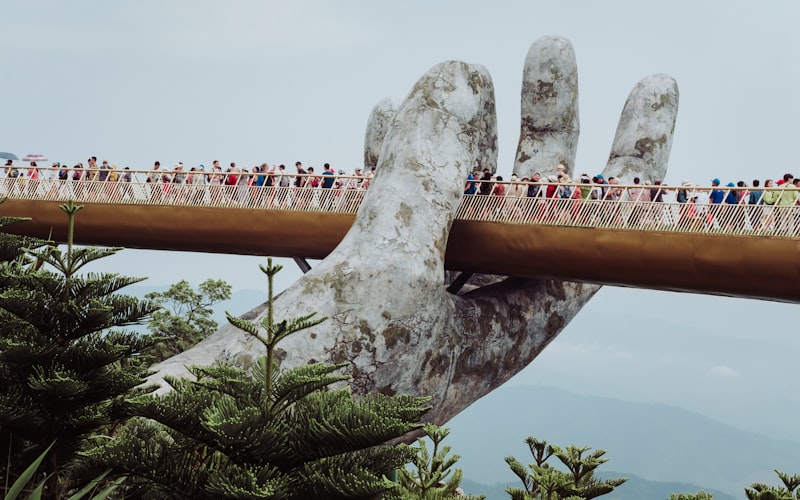
The market near the Dragon Bridge and Son Tra side is easy to combine with a river walk. It is visitor-friendly, with souvenirs, snacks and a broad mix of food. That convenience also means higher prices and more English-language menus.
Helio Center is larger and more entertainment-oriented. It suits groups, families and anyone who wants food alongside games, shopping or a lively atmosphere. It is less intimate than a neighborhood market and requires more transport planning.
The area around Con Market is better for daytime market life, but nearby evening food streets and stalls can still be worthwhile. This side feels more local and less polished. Go for specific dishes rather than expecting a single neat market experience.
What to Eat
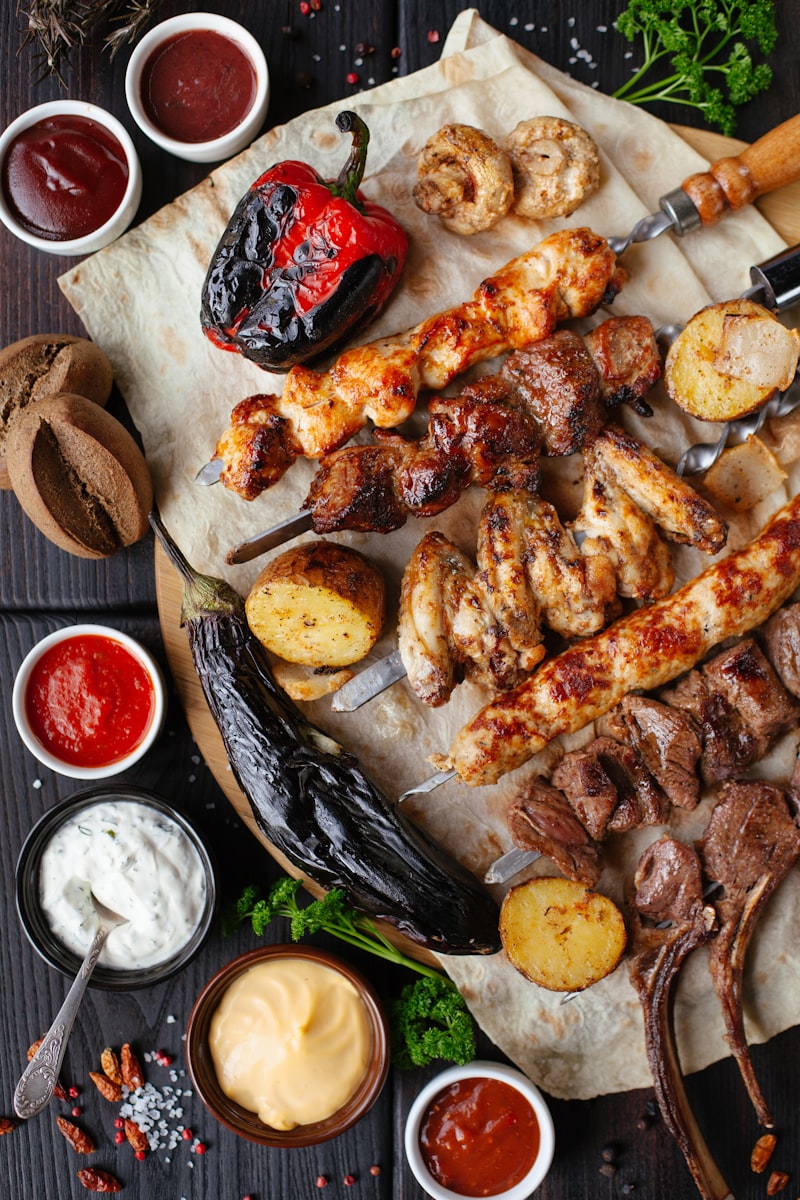
Start with dishes that are easy to share. Grilled skewers, rice paper rolls, banh xeo, nem lui and small seafood plates let you try several flavors without committing to one large meal.
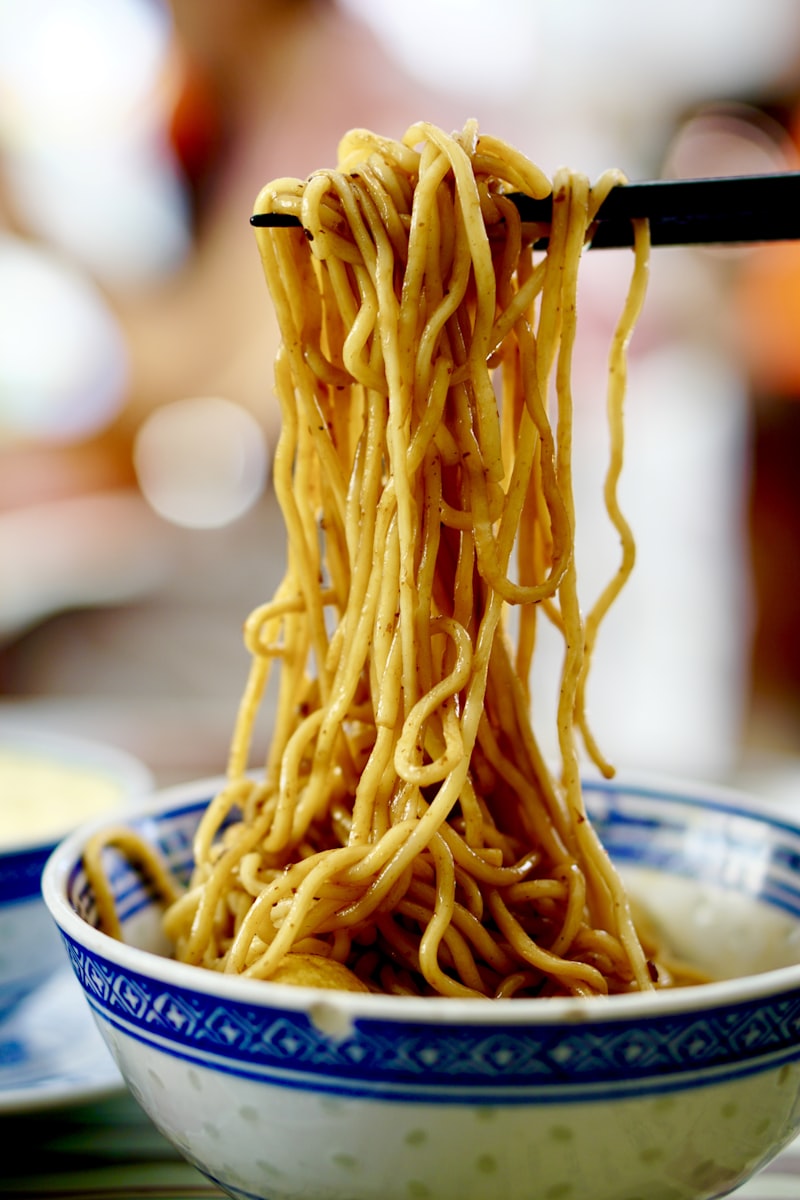
Da Nang's local specialties are often more interesting than generic market snacks. Look for mi quang, banh xeo with herbs and dipping sauce, or grilled meat wrapped in rice paper. If a stall is busy with local families, the turnover is usually a good sign.
Seafood requires more care. Prices may be listed per kilogram, and the final bill depends on the weight of what you choose. Select the seafood, ask for the total price and confirm the cooking method before it goes to the kitchen. Keep the conversation simple and check the scale if something seems unclear.
Timing the Visit
Arrive before the peak dinner rush if you want to sit comfortably. Markets often feel calmer soon after they open, while the busiest period comes later when families, groups and tours overlap.
Do not wait until the final hour. Stalls may begin packing up, popular dishes sell out and cleaning makes the seating area less pleasant. Two hours is usually enough.
Cash, Prices and Ordering
Carry small notes. A large bill can be difficult to change at a busy stall, and mobile payment is not equally convenient everywhere. Prices are rarely uniform, so compare a couple of stalls before committing to a seafood tray or a souvenir.
Order one item at a time, then decide whether you want more. This keeps the meal manageable and makes it easier to track spending. If a vendor quotes a price in a foreign currency, ask for the amount in Vietnamese dong before agreeing.
Seating and Market Etiquette
Shared tables are normal. Sit where staff direct you, keep bags on your lap or between your feet and do not block the aisle with a chair. When you finish, move on rather than holding a table while others wait.
Ask before photographing vendors or close-up food displays. A quick gesture and a smile are usually enough. If someone declines, respect it and put the camera away.
If you want a souvenir, compare quality before price. Small crafts, coffee and textiles may be sold beside food stalls, but a busy market is not always the best place to judge authenticity. Decide on a budget, inspect the stitching or packaging and avoid buying several similar items simply because the seller is persuasive.
Transport after the market closes can be harder than the trip there. Drivers may avoid the narrowest approach roads when crowds are leaving, so agree on a pickup point a block away. Check that your phone has enough battery to call a ride, and keep the accommodation address available in Vietnamese for a local driver.
Getting There and Away
Ride-hailing is easier than parking a scooter at the busiest markets. Pick a clear meeting point a short distance from the entrance so the driver does not have to enter the crowd. Near the river, combine the market with a walk along the Han River or a bridge view.
Night markets are not the best place for a quiet conversation or a long laptop session. They are for grazing, people-watching and trying dishes you may not find on a restaurant menu.
A Sensible Evening
Choose one market, arrive early, order a few small dishes and keep cash available. If the crowd becomes uncomfortable, leave before the final rush rather than forcing your way through every aisle.
The Da Nang guide and My An neighborhood guide can help you decide which market fits your base. The best evening is the one that leaves time to eat slowly and walk back without treating the market as a checklist.