Flores is one of Indonesia's serious coffee islands. The highlands around Bajawa produce beans that are exported around the world, and a small but growing number of roasteries and cafes in Flores roast and serve that coffee locally. Stopping at a local roastery is one of the better ways to spend a slow morning, and it is also a good introduction to Indonesian coffee if you have only ever drunk it in instant form.
This guide is about how to find and enjoy a roastery here rather than about one specific address. Roasteries open, close and move, so the useful skill is knowing what to look for and what to ask.
Why Flores Coffee Is Different
Flores sits in the middle of the Indonesian archipelago, and its coffee grows in volcanic soil at altitude, which builds the acidity and body that specialty buyers look for. Bajawa is the best-known producing area, but beans also come from other highland districts.
Indonesian coffee is often associated with bold, earthy flavours and low acidity, and much of the commodity crop still tastes that way. Well-processed Flores beans can be cleaner and fruitier, closer to what you would find from a specialty roaster elsewhere. The gap between the two is mostly about picking, processing and roasting, which is exactly what a local roastery is trying to control.
How Flores Beans Are Grown and Picked
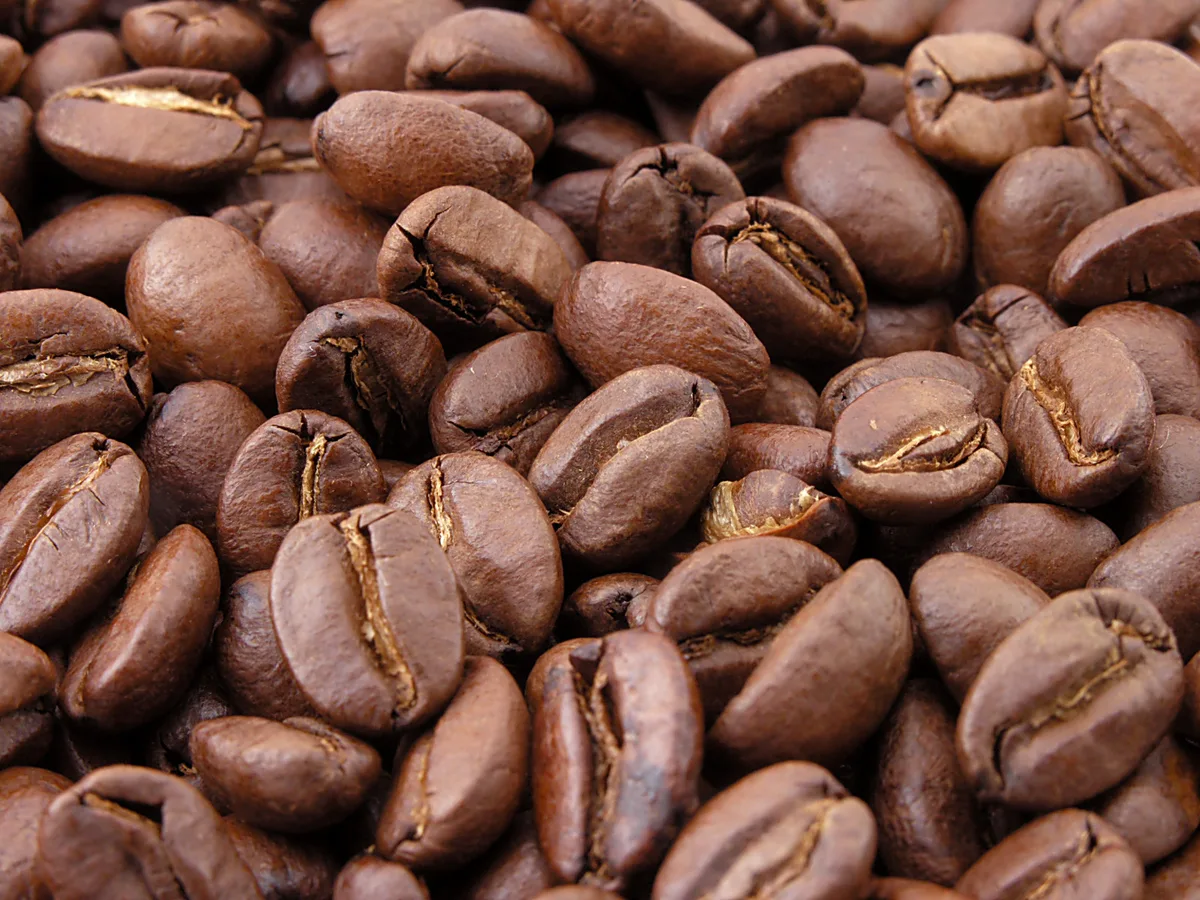
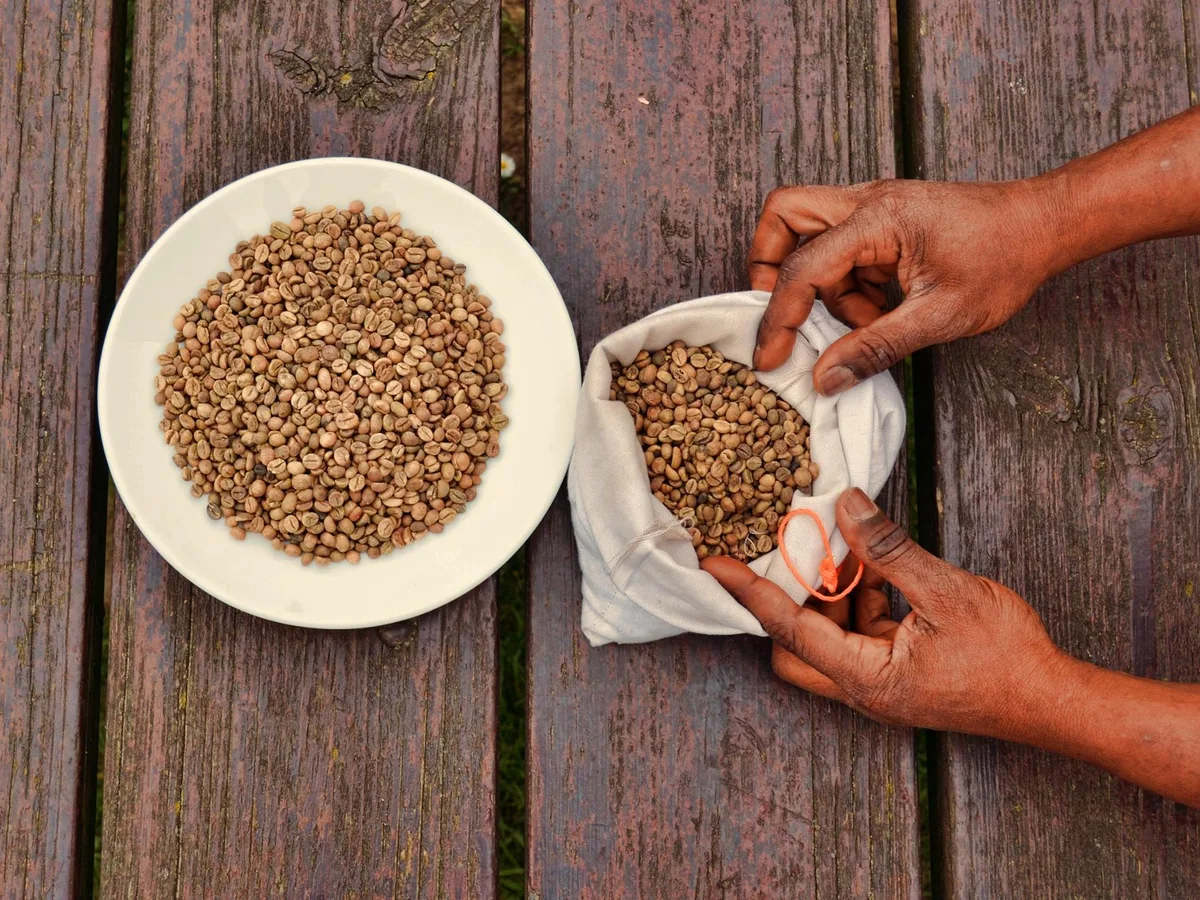
Coffee in Flores grows on smallholdings, usually a handful of trees mixed in with vegetables and fruit rather than on a single-crop plantation. Farmers here work at altitude, where the cooler air slows the ripening and the fruit develops more sugar. The cherries are picked by hand, often in more than one pass as they ripen unevenly, which is the first reason a well-made Flores coffee costs more than a commodity one.
After picking, the cherries are processed to remove the fruit and dry the bean. The method chosen at this stage shapes the flavour more than most drinkers realise. Washed beans are dried without the fruit and taste cleaner and brighter. Natural beans dry inside the fruit and come out sweeter and heavier. Honey processing sits between the two, leaving some of the sticky fruit on the bean as it dries.
Drying happens in the open, on tarps or raised beds, and depends on the weather. A wet harvest can spoil a crop that was picked perfectly. That uncertainty is part of why good lots are precious, and it is the reason a roaster who knows the farm can tell you more about your cup than the label ever will.
How to Find a Roastery
In Labuan Bajo and in the towns of the interior, look for cafes that roast on site or sell bags of beans. A working roaster is usually visible: a small machine, sacks of green beans, and a shelf of labelled bags with roast dates.
In the highlands around Bajawa and Ruteng, you may find smaller operations that sell directly to visitors. Ask at your guesthouse, because the best small roasteries are often not listed on maps. If you are already planning to explore the interior, the Labuan Bajo guide covers the logistics of getting around.
Reading the Menu
Indonesian roasteries tend to work with a few recognisable styles. A dark, oily roast is built for milk and sugar, and it is what most local drinkers expect. A medium or light roast is the specialty style, designed to be drunk black and to show the origin.
Ask what the beans are and how they were processed. Washed beans are usually cleaner and brighter. Natural or honey processed beans can be sweeter and fruitier. Roasters who care will talk about this happily; it is the easiest way to tell a genuine roastery from a cafe that simply serves coffee.
If you are unsure what to order, ask for a filter or a pour-over of the single origin and drink it without milk. Then try the same beans as an espresso. Tasting both is the fastest way to understand what the roast is doing.
A Tasting, Step by Step
Sitting down to taste a single origin is simple if you take it in order. Start by smelling the dry grounds or the brewed cup, and notice whether the first impression is sweet, sharp or nutty. Then take a small sip and let it sit on your tongue before you swallow. The first taste and the finish after you swallow are often the two most useful things to notice.
Next, try the same coffee brewed a different way if the roastery offers it. The same beans as a filter and as an espresso will taste like two different coffees, and the comparison teaches more than any description. Add milk or sugar only after you have tasted the coffee black, so you know what you are covering.
Ask the staff what they taste in the cup, then compare that with your own impression. There is no wrong answer, and the conversation is the point. A few minutes of this will change how you drink coffee for the rest of the trip.
Ordering and Drinking
Local coffee is often served sweet and strong. If you want to taste the beans, ask for the coffee black and the sugar on the side. If you want the local style, let them make it however they normally do, which usually means condensed milk or palm sugar and a lot of it.
A roastery is also a good place to buy beans to take home. Whole beans keep their flavour longer than ground, so buy a bag and grind it later if you can. Check the roast date rather than only the expiry date, and buy from a place you have actually tried.
Settling In for a Slow Morning
Roasteries in Flores tend to be calm in the morning and busier in the afternoon. The light is better early, the room is cooler, and the staff have time to talk about what they are roasting this week. If you want a conversation about coffee, come early.
Many of these places double as cafes with wifi and power, which makes them useful if you need to work, though the connection is not always fast. Test it before you plan a call. The specialty cafe guide covers what to expect from the sit-down side, and the corner roastery page looks at the smaller neighborhood version.
What to Bring Home
A bag of Flores beans is one of the best souvenirs the island offers. It is light, it lasts, and it is something you will actually use. Buy a sealed bag, keep it out of the heat, and do not pack it next to strong-smelling food or spices.
If you are flying onward within Indonesia, remember that rules on carrying liquids and powders are not the issue with coffee, but weight is. A couple of bags fit easily into hand luggage and make better gifts than anything decorative.
A Short Word on Roast Dates
Freshly roasted coffee is at its best in the first few weeks, and it goes stale slowly after that. A bag with a roast date from last month is better than a bag with no date at all, but a bag roasted this week is better still.
If the shop cannot tell you when it was roasted, treat that as a sign to buy a smaller amount. You can always go back for more once you have tasted it at home.
Coffee is one of the few things Flores exports that visitors can enjoy on the spot and understand on their own terms. A quiet hour at a roastery, one black coffee, and a question or two about where the beans come from will tell you more about the island than most viewpoints will.