
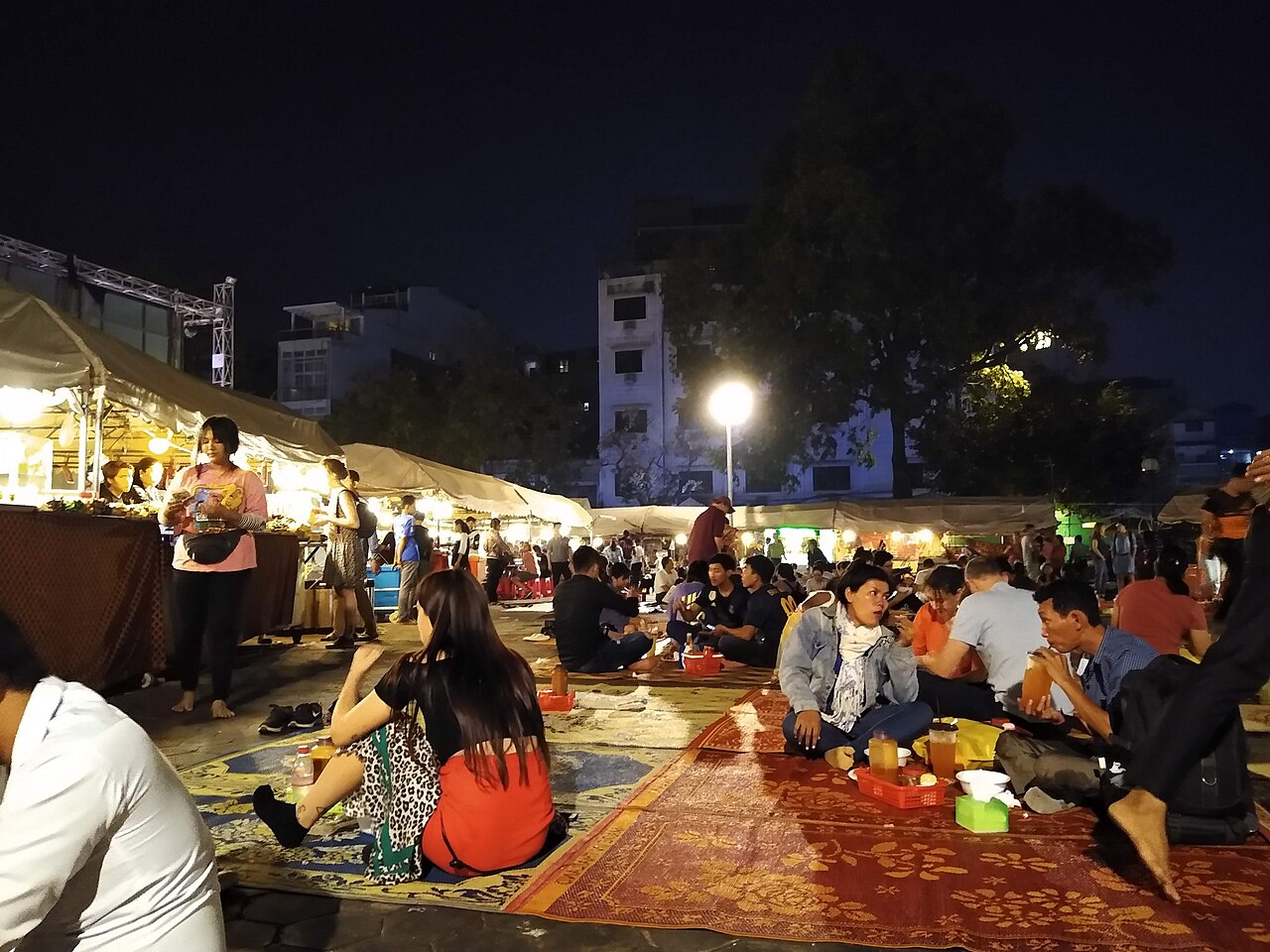
As the light goes down in Labuan Bajo, the waterfront turns into an open-air kitchen. Grills are lit, tables appear on the pavement, and the smell of charcoal, garlic and chili drifts along the harbor. This is the night market alley, and for many visitors it becomes the best meal of their time in Flores.
It is not a polished food market. It is a working, slightly chaotic evening ritual, and that is exactly why it is worth your time. Come early enough to watch it come together, and late enough to eat when the grills are at their best.
Where It Is and When It Starts
The main night market sits along the waterfront near Kampung Ujung, a short walk from most of the harbor guesthouses. Stalls begin setting up in the late afternoon and are in full swing from about seven in the evening until well after dark.
Go early if you want space and a first pick at the fish. Go later if you want atmosphere and a full row of grills running at once. The busiest hours are around seven to nine, when tour groups and dive boats return and everyone heads to the same stretch of pavement.
How Ordering Works
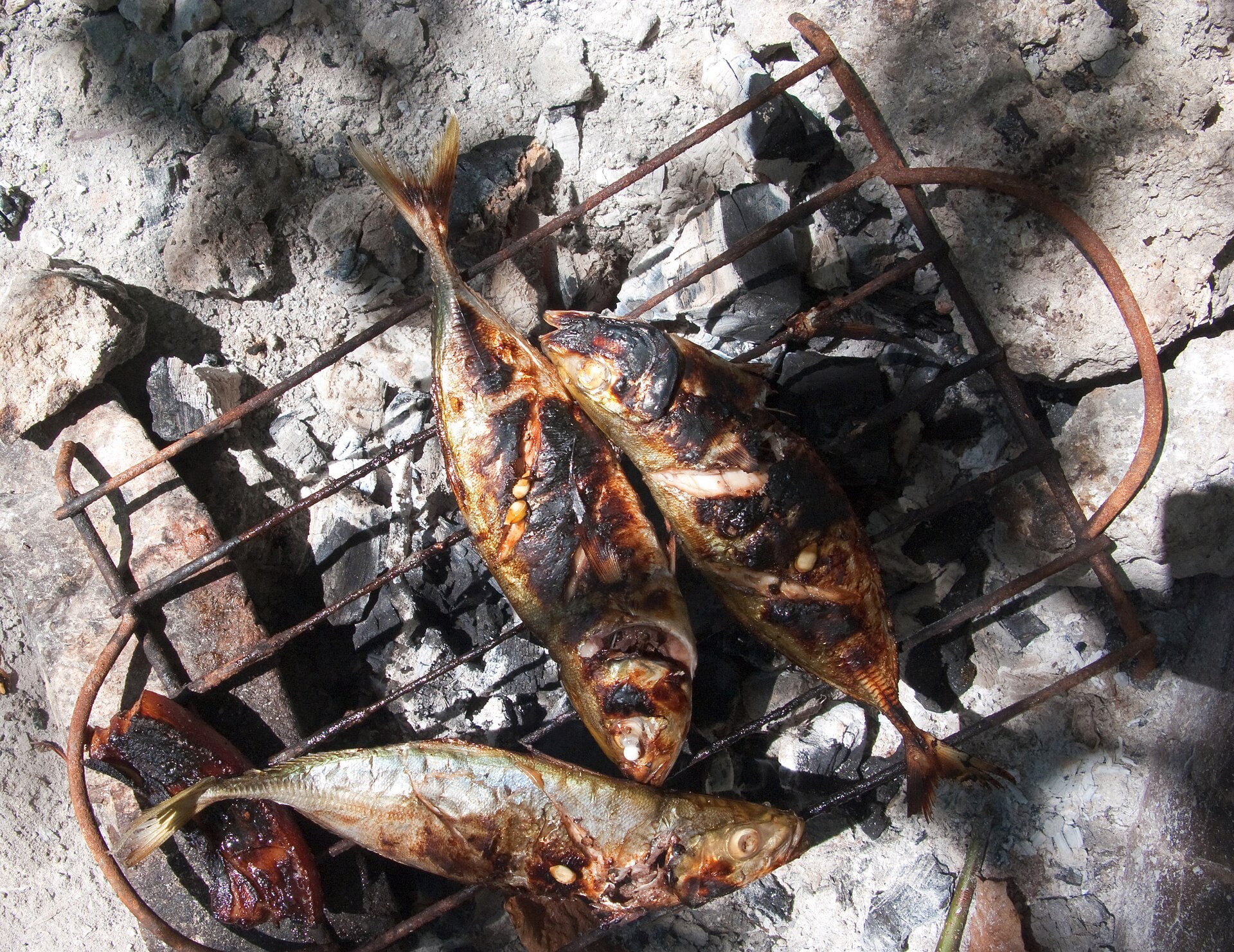
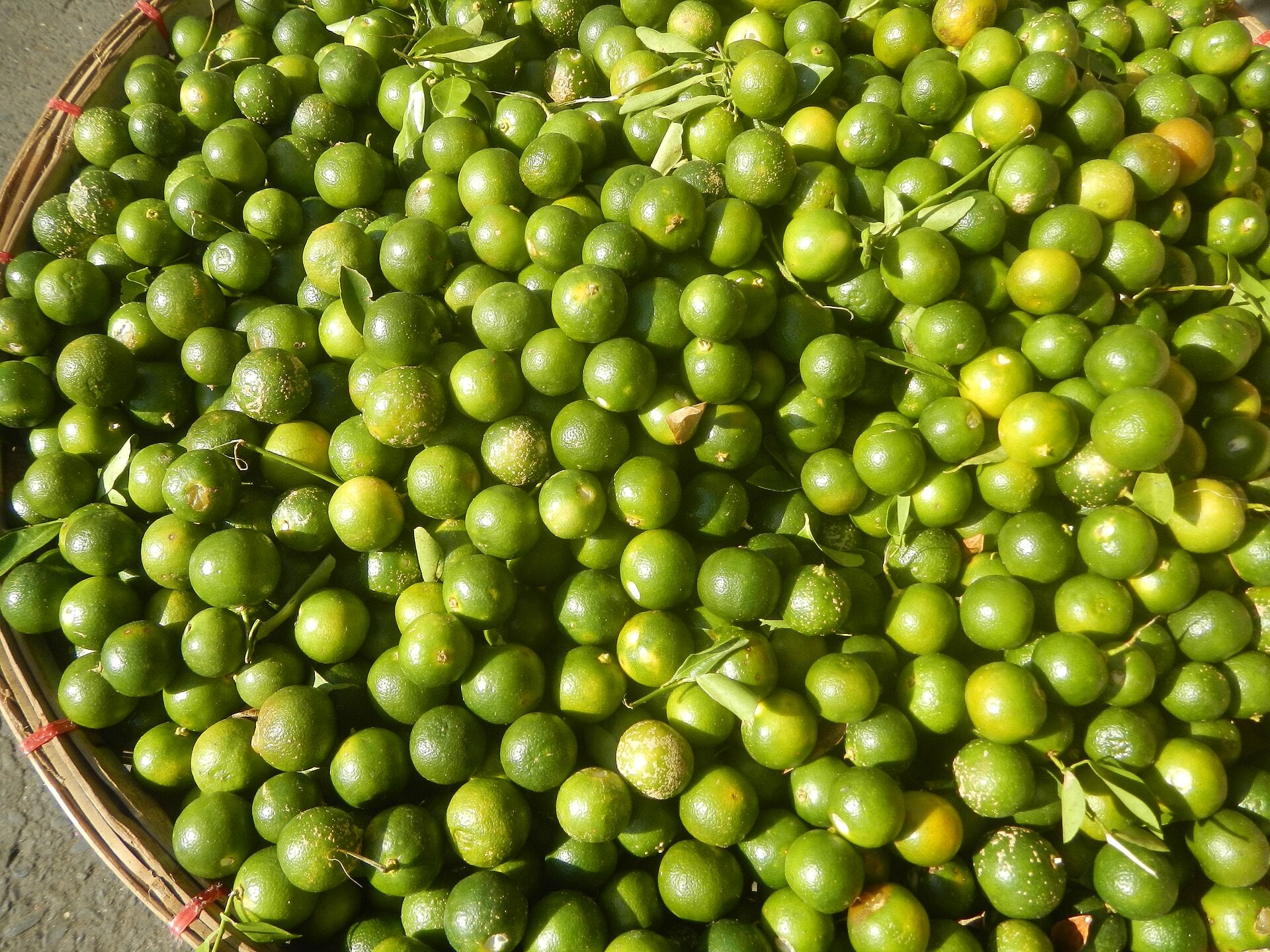
The main event is the fish grill. Choose your fish from the ice, agree on a price, and specify how you want it cooked. The usual method is charcoal grilled with garlic, chili, lime and a sweet soy glaze. Snapper, grouper, squid and prawns are common, and the fish is usually sold by weight, so ask the price before you commit.
Most stalls also sell small plates alongside the grill: rice, vegetables, sambal, fried noodles and simple soups. Ordering from two or three stalls and eating at a shared table is normal, and no one minds if you mix and match.
If you are travelling alone, a whole fish can be too much. Buy a half portion or split one with someone, and add a couple of small plates instead.
Small Plates Worth Trying
Beyond the fish, the market is an easy place to try Indonesian snacks. Look for satay skewers, fried tempeh, corn fritters and the small sweet items sold at the edge of the stalls. Portions are tiny and cheap, so this is the kind of market where you can eat six different things without spending much.
Sambal deserves a warning. Chili paste in Indonesia can be genuinely hot, and the mild-looking bowl is often the strongest on the table. Ask for a little first, taste it, and add more once you know what you are dealing with.
Hygiene and Small Cautions
Street food here is generally safe when it is cooked hot and in front of you, which the grills are. Stick to stalls with a good turnover and food that is being cooked to order rather than sitting out.
Bring cash in small notes, because change is a constant problem. Wash your hands or use hand sanitizer before you eat, since you will often be eating with your hands or with simple cutlery. If your stomach is sensitive, take it slowly on the first night and avoid the raw or room-temperature items.
What It Costs
This is one of the cheapest meals you can eat in Labuan Bajo. Fish is priced by weight, small plates are a few thousand rupiah each, and a large meal with drinks still costs less than a modest restaurant dinner elsewhere.
Agree on the price before the fish goes on the grill. Negotiating is expected and normal, but keep it friendly. A small difference in price matters far less to you than it does to the family running the stall.
Drinks and the Rest of the Table
The grills get the attention, but a night market meal is built from the whole table. Fresh coconut is the simplest drink and the best match for grilled fish, and it is served straight from the shell at stalls along the same strip. Iced tea, bottled water and a few local soft drinks are also everywhere, and prices are low enough that nobody minds buying a round.
If you want something sweet to finish, look for the dessert carts rather than the grill stalls. Sliced fruit, fried banana and small rice-flour sweets are common, and they cost very little. Portions are small, so this is the point of the meal where you can afford to try two or three things and decide which one you would come back for.
A First-Timer's Order, Start to Finish
If you have never eaten at a market like this, the sequence matters less than you think, but a rough plan helps the first time.
Start by walking the length of the stalls before you buy anything. Look at the fish on the ice, compare the prices, and pick the stall where the grill is busiest and the fish looks freshest. A stall that is turning over stock is more likely to be cooking it well.
Choose your fish, confirm the price by weight, and agree on how you want it cooked. Grilled with garlic, chili and lime is the standard, and it is hard to go wrong. While it cooks, order a couple of small plates from a neighbouring stall, fried tempeh, satay or a plate of rice, and take a seat at a shared table.
Ask for sambal on the side rather than on the fish, so you can taste the fish first and add heat at your own pace. Order a fresh coconut or an iced tea. Eat slowly, and when you are finished, pay stall by stall rather than expecting one bill, because the grills and the sides usually belong to different families.
The whole meal, fish, sides and a drink, is one of the cheapest dinners in Labuan Bajo. Arrive by seven, and you will be eating while the harbor lights come on.
Getting There and Back
The market is walkable from most of the harbor and the main guesthouse streets, and walking is the easiest way to arrive. If you are staying further out, a short scooter ride or a bemo-style local transport will get you to the waterfront, and drivers know the market by name.
Going home is rarely a problem while the grills are still lit, but the area empties quickly once the stalls pack up. Agree on a price before you get into an unmarked car, keep the address of your guesthouse on your phone, and if you are on foot, stay on the lit waterfront path rather than cutting through dark side streets.
Making It Part of a Slow Evening
The market works best as an event rather than a stop. Walk the waterfront first while the light is still good, watch the boats come in, and find a table before the crowd arrives. Eat slowly, talk to whoever shares your table, and let the evening stretch out.
Afterwards, the waterfront is pleasant for a short walk and the sound of the harbor is a good end to the day. If you want a quieter night, the Labuan Bajo guide covers other options in town, and the daily life page looks at what a normal day here looks like once the tours have gone home.
The night market is not a fine-dining experience and does not try to be. It is a communal dinner on the edge of a working harbor, and on a quiet evening in Flores there are few better places to be.