
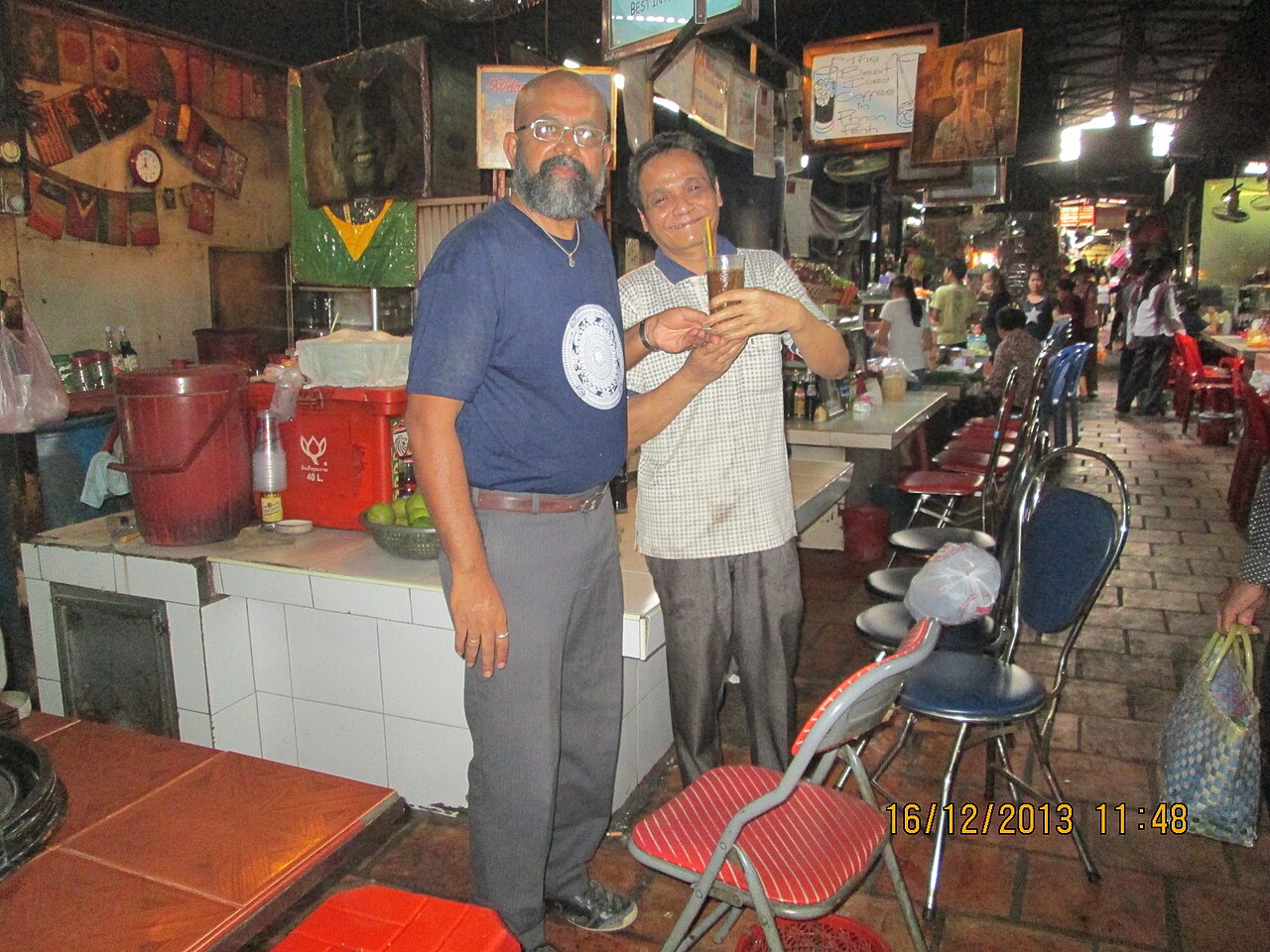
Hanoi has a coffee culture that predates the specialty movement by decades, and the small corner roastery sits right in the middle of it. These are the shops on a street corner or tucked into a lane, often with a single grinder, a shelf of beans and a few stools out front. They serve the city's everyday coffee and, increasingly, the more modern single-origin cups that younger roasters are experimenting with.
A morning at one of these shops is one of the most pleasant things you can do in Hanoi. This guide explains what to expect and how to get the most out of a visit, without promising a specific address, since these places open, move and change.
The Two Sides of Hanoi Coffee
Vietnamese coffee is built on robusta, a strong, bitter bean that stands up to milk and sugar and gives the classic drink its punch. The traditional cup is brewed with a metal phin filter, slowly, and served with condensed milk and ice. It is sweet, powerful and unmistakably local.
The newer side of Hanoi coffee is the specialty scene, which uses arabica, lighter roasts and modern brewing methods. These shops care about origin, processing and brew ratios, and they serve coffee that would not be out of place in any third-wave city.
A good corner roastery often does both. It sells the traditional drinks to the neighbourhood and the specialty cups to whoever asks. That blend is what makes these small shops interesting.
The Roastery Model
The defining feature of a corner roastery is that it roasts, or at least sells, its own beans. You will often see a small drum roaster behind the counter, or sacks of green beans stacked in a corner, or bags on a shelf with roast dates written by hand.
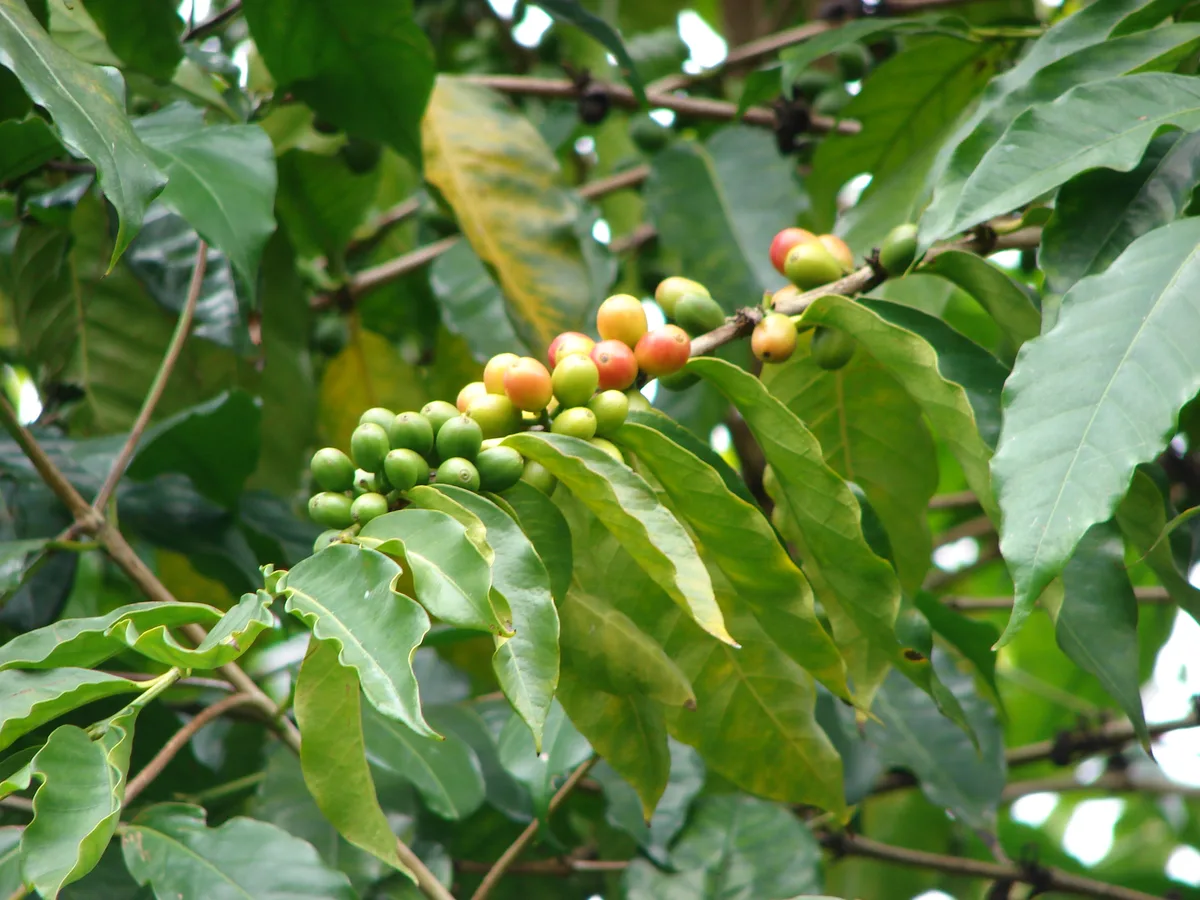
That setup has a practical implication. The coffee is fresher than what you find in a cafe that buys from a distributor, and the staff usually know the beans well. Ask what they are roasting this week and they will tell you.
What to Order
The safe starting point is the classic. Order a ca phe sua da, iced coffee with condensed milk, and drink it the way it is meant to be drunk. Then, if you want to taste the beans, order a black filter coffee or a pour-over of the single origin and drink it without sugar.
If you want something lighter, ask for a ca phe den, black coffee, either hot or iced. If you want milk without the sweetness, ask for fresh milk instead of condensed, though not every shop offers it.
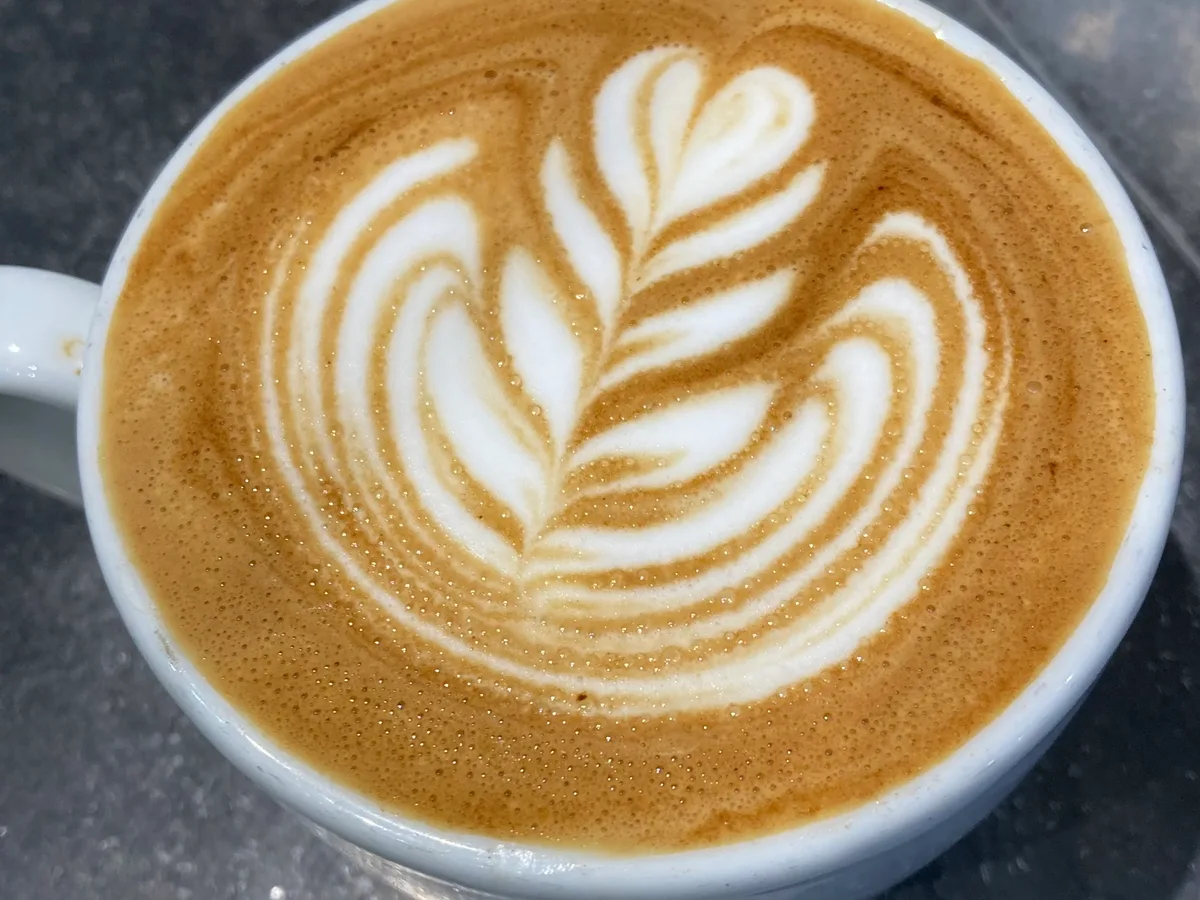
Espresso and milk drinks exist in the specialty shops, but they are not the local specialty. If you want to understand Hanoi coffee, the phin is the place to start.
The Phin Filter, Explained
The phin is the small metal filter that sits on top of almost every traditional cup of Vietnamese coffee, and understanding it explains why the coffee tastes the way it does.
It is a simple device: a little chamber that holds the ground coffee, a press plate that sits on top, and a lid. You put the coffee in, add hot water, replace the plate and the lid, and wait. There is no plunger and no paper, so the coffee drips through the metal at its own pace, usually over four or five minutes.
That slow drip is the whole point. It produces a strong, dense cup with more body than a paper filter would give, and it is why Vietnamese coffee stands up so well to condensed milk and ice. Rushing it, with water that is too hot or a grind that is too fine, makes the cup bitter; a coarser grind and a little patience do the rest.
Buying one is cheap, and it travels well, since there is nothing to break. If you want to drink Vietnamese coffee at home, the phin is a better souvenir than a bag of beans, because it lets you keep making the drink long after the coffee itself is gone.
Seating and Atmosphere
Corner roasteries are small. Seating is usually a few low stools on the pavement, a narrow bench inside, or a balcony looking over the street. The atmosphere is the traffic, the motorbikes and the neighbours, and the shop is designed to let you watch it rather than hide from it.
That means it can be hot and noisy in the middle of the day. The best hours are early morning, when the air is cooler and the city is waking up, and late afternoon, when the light softens. Midday belongs to air conditioning and shade.
If you want a quiet place to work, a corner roastery is not always the answer. Many of them are too small and too busy for a laptop, and some do not offer wifi at all. Treat them as coffee stops rather than offices. If you need a proper work cafe, the specialty cafe guide covers the laptop-friendly side of the city, and the local roastery guide goes into the beans themselves.
Timing Your Visit
Hanoi runs on early coffee. The traditional shops fill up before work, and the rhythm slows after nine in the morning. If you want the full experience, arrive between seven and eight and sit with the city for an hour.
The specialty roasteries run on a slightly later schedule and often feel calmer in the early afternoon. If your goal is a quiet seat and a long conversation about coffee, aim for that window instead.
Weekends are busier and the popular spots fill quickly. If a shop looks full, walk one street over. Hanoi has enough coffee that you never need to wait long.
How to Choose a Good One
Look for a shop that is busy with people who are clearly regulars, that roasts or clearly sells fresh beans, and that takes coffee seriously enough to explain what it is serving. A place that sells bags with a roast date is usually a place that cares about what is in your cup.
Do not judge by the furniture. Some of the best coffee in Hanoi is served on plastic stools with a view of a parked motorbike. The Old Quarter guide will help you find the streets where these shops cluster, and the whole experience is easier once you accept that the coffee is the point, not the decor.
Practical Notes
Bring small notes, because change can be scarce. Most shops are cash only, though some newer ones accept QR payment. Prices are low, and a great cup costs a fraction of what it would at home.
If you buy beans to take home, ask for them ground only if you will use them soon, and check the roast date. A sealed bag of freshly roasted Vietnamese coffee travels well and makes a good gift.
A corner roastery is not a destination you plan a day around. It is the small stop that makes a morning in Hanoi feel like a morning in Hanoi. Sit down, order the local thing, and let twenty minutes pass.