Ho Chi Minh City drinks coffee at street speed and talks about it at roastery pace. Sidewalk stalls still win on volume: dark robusta through a phin, condensed milk, ice, done. The specialty roasteries that have opened across District 1, District 3 and Thao Dien are a smaller layer, aimed at people who want to know the farm, the roast date and the difference between natural and washed processing.
A local roastery visit here is less about finding a hidden gem and more about understanding what Vietnamese coffee can taste like when someone controls the roast. That context makes every ca phe sua da you drink later more interesting.
What Counts as a Roastery in Saigon
The label is used loosely. Some shops roast in-house and sell beans from a counter beside the drum. Others roast in an industrial zone outside the city and run a bright cafe as the showroom. Both can be serious if the staff can answer origin questions without checking a poster.
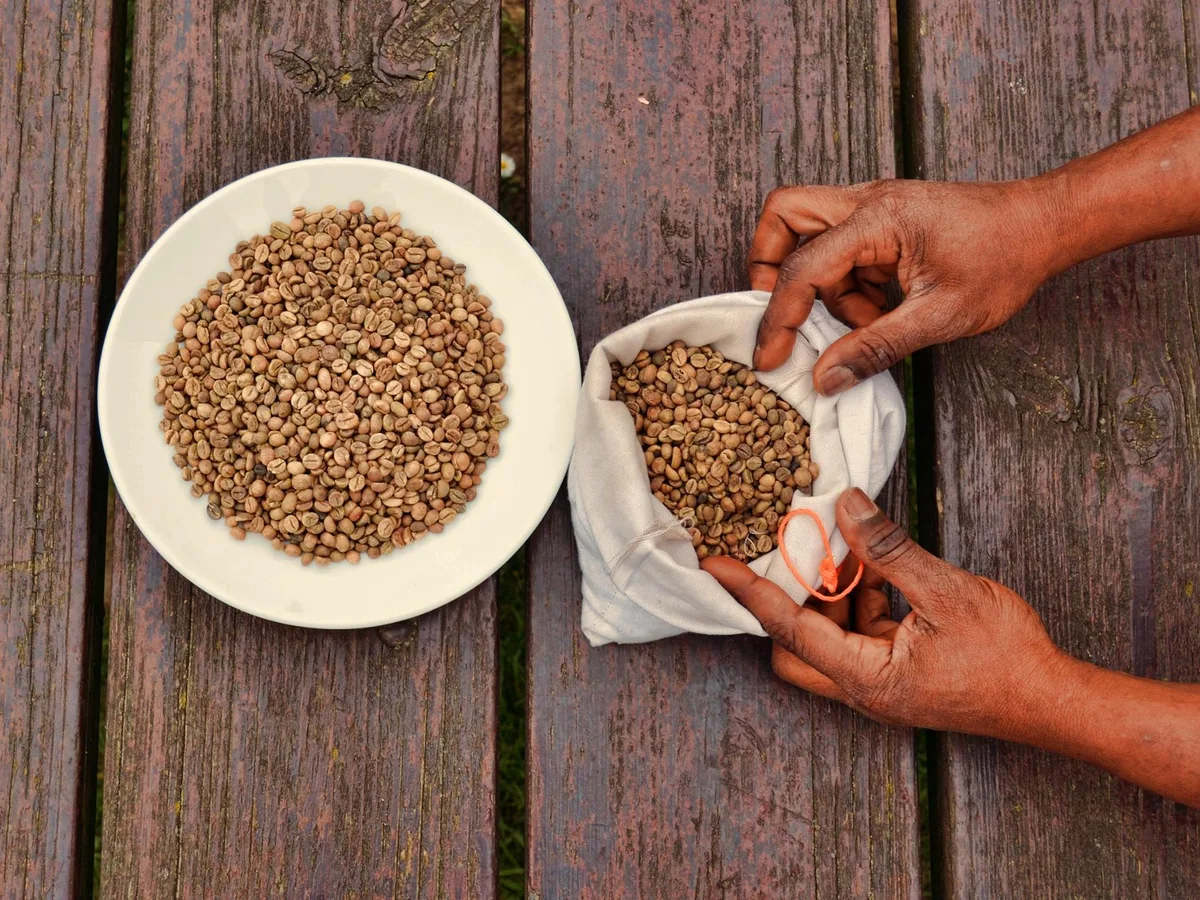
The useful test is freshness and specificity. Can they tell you when this bag was roasted? Can they recommend a brew method for the bean you are holding? If yes, you are in the right kind of room, even if the furniture is plastic and the view is parked scooters.
Beans You Will Actually See
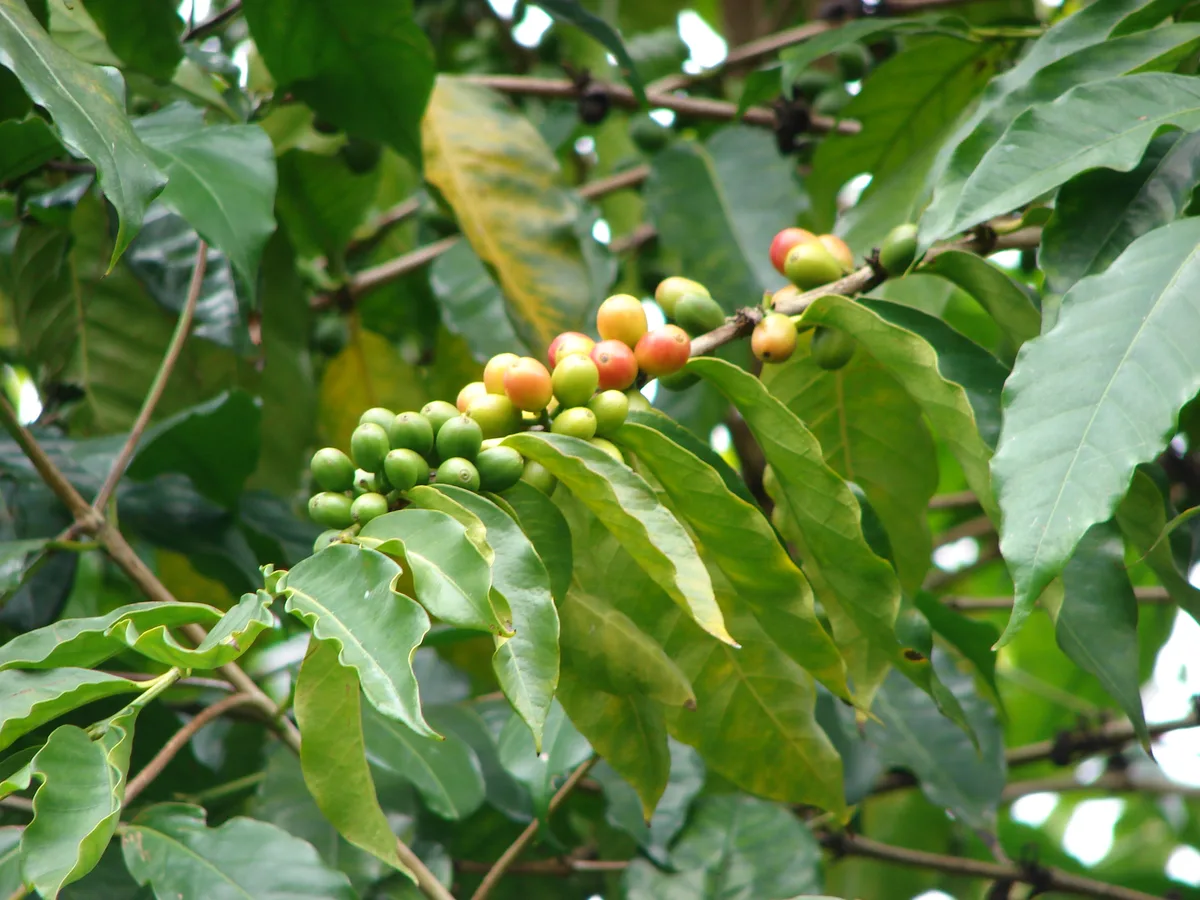
Vietnam exports enormous volumes of robusta from the central highlands, and Saigon roasteries still work with it. Well-processed robusta can taste nutty, chocolatey and dense, which is why it has survived decades in milk coffee. Arabica from Da Lat, Lam Dong and northern highland provinces appears on filter menus when roasters want brightness, fruit or tea-like notes.
Blends are common and honest. A roaster may combine species for balance in espresso or for a phin that needs body without harshness. Ask what each coffee is meant to do rather than which bean is "better."
Tasting Without Turning It Into a Lecture
Order one black coffee and one traditional milk drink if you want contrast. The specialty cup shows origin character. The ca phe sua da shows the culture the city grew up on. Drink the black coffee slightly cooled so sweetness and acidity show up; very hot liquid hides nuance.
If the bar is busy, keep questions short. Roast date, recommended grind, and whether the coffee holds up in milk are enough to make a good purchase. Long tastings belong to quiet mid-morning hours, not the lunch rush on Le Loi.
Buying and Packing for Travel
Whole beans travel better than pre-ground coffee in Saigon humidity. Ask for a double bag or a valve bag if you have one. Buy amounts you can finish within a few weeks at home; a kilo bargain becomes stale luggage weight fast.
Card payment is common in central roasteries, but smaller Thao Dien counters may prefer cash or local QR. Confirm before the beans are weighed.
Where It Fits in Your Day
Roasteries pair well with a slow morning before the heat peaks. Start in District 1 or Thao Dien, taste one cup, buy one small bag, then walk to a market or riverfront rather than chaining five cafes. The District 1 neighborhood guide helps you anchor the walk, and the wider Ho Chi Minh guide puts coffee beside food and transport decisions.
Thao Dien suits travelers who want expat-friendly seating and slightly longer stays. District 1 suits a tight itinerary with temples and markets nearby. Neither is automatically better; match the roastery to how much time you have and how much noise you tolerate.
Signs of a Serious Shop
Fresh roast dates on bags, more than one brewing method, and staff who can describe process without marketing adjectives. The room does not need to look like a design magazine. Some of the most informative cups arrive in narrow shophouses with fans and a single grinder.
Walk away from shops that cannot name the origin, hide roast dates, or push only sugary blended drinks with no black option. That is cafe culture, not roastery culture.
Brewing in a Hotel Room
A phin filter is cheap, portable and matches many beans sold here. If you only have a kettle, ask for a coarser grind and accept that extraction will be imperfect but still better than lobby instant coffee. Use bottled water if tap taste is strong.
Store opened bags away from air conditioning condensation and street food smells. Saigon humidity is the enemy of aroma more than temperature swings in a short trip.
Who This Guide Is For
Coffee-curious travelers, remote workers taking a morning off laptops, and anyone who wants a souvenir that is not a T-shirt. Less useful if you dislike strong coffee or need a guaranteed quiet workspace for hours; choose a work-focused cafe instead.
Leave with one bean you understand: where it grew, how it was processed, and how you will brew it at home. That is the point of a roastery stop in a city that otherwise never slows down for a cup.
Payment, Language and Small Courtesies
Most central roasteries accept cards, but corner counters may prefer cash or local QR apps. Learn how to say "whole beans" and "for phin" in Vietnamese if you plan to buy often; staff appreciate the effort even when they switch to English.
Tip jars appear sometimes; tipping is not mandatory but rounding up on a bag purchase is a simple thank-you when someone spends ten minutes explaining processing.
Pairing With District Food
Strong coffee pairs with banh mi better than with pho for many visitors, because broth-heavy breakfasts can clash with acidic filter roasts on an empty stomach. Save delicate single origins for after a light meal or mid-morning.
If you visit Ben Thanh or nearby markets the same day, buy beans last so the bag is not sitting in heat while you haggle over fruit.