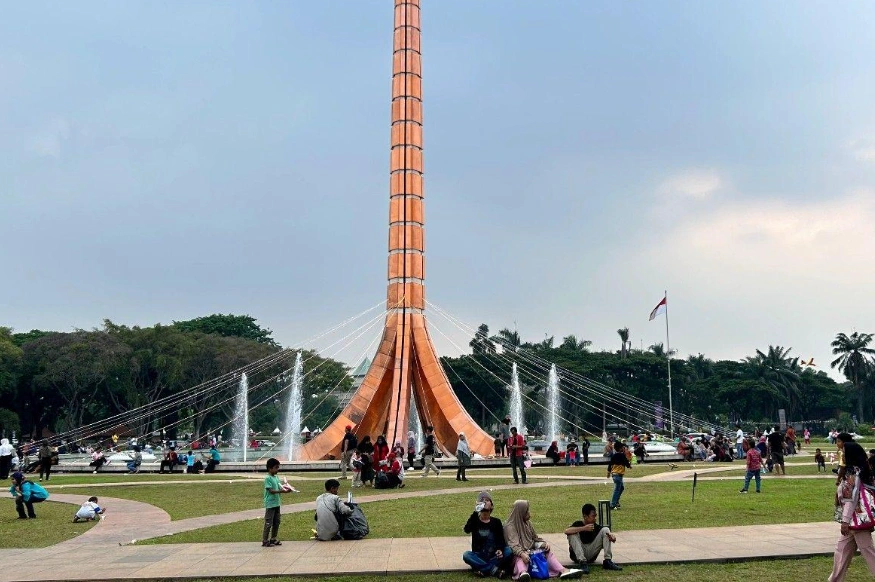

Jakarta is not a walkable coffee crawl. It is a chain of neighborhoods separated by traffic, each with its own roastery counters, mall cafes and late-night kopi stalls. That scale can feel overwhelming until you treat a roastery visit as a single focused stop rather than a city-wide mission. Pick one area near your hotel, go early, taste two coffees, and let the rest of the megacity wait.
Indonesia grows coffee across dozens of islands, and serious Jakarta roasters treat that diversity as the menu. Sumatra, Java, Flores, Bali and Sulawesi lots rotate through the year. A local roastery is where those names turn into flavor instead of geography trivia.
Archipelago Origins on One Counter
Aceh and Mandheling profiles often bring earthy, herbal notes and heavy body. Java arabica can be cleaner and more balanced. Eastern islands may show fruit or spice depending on processing. Ask what is in season rather than what won a competition last year.
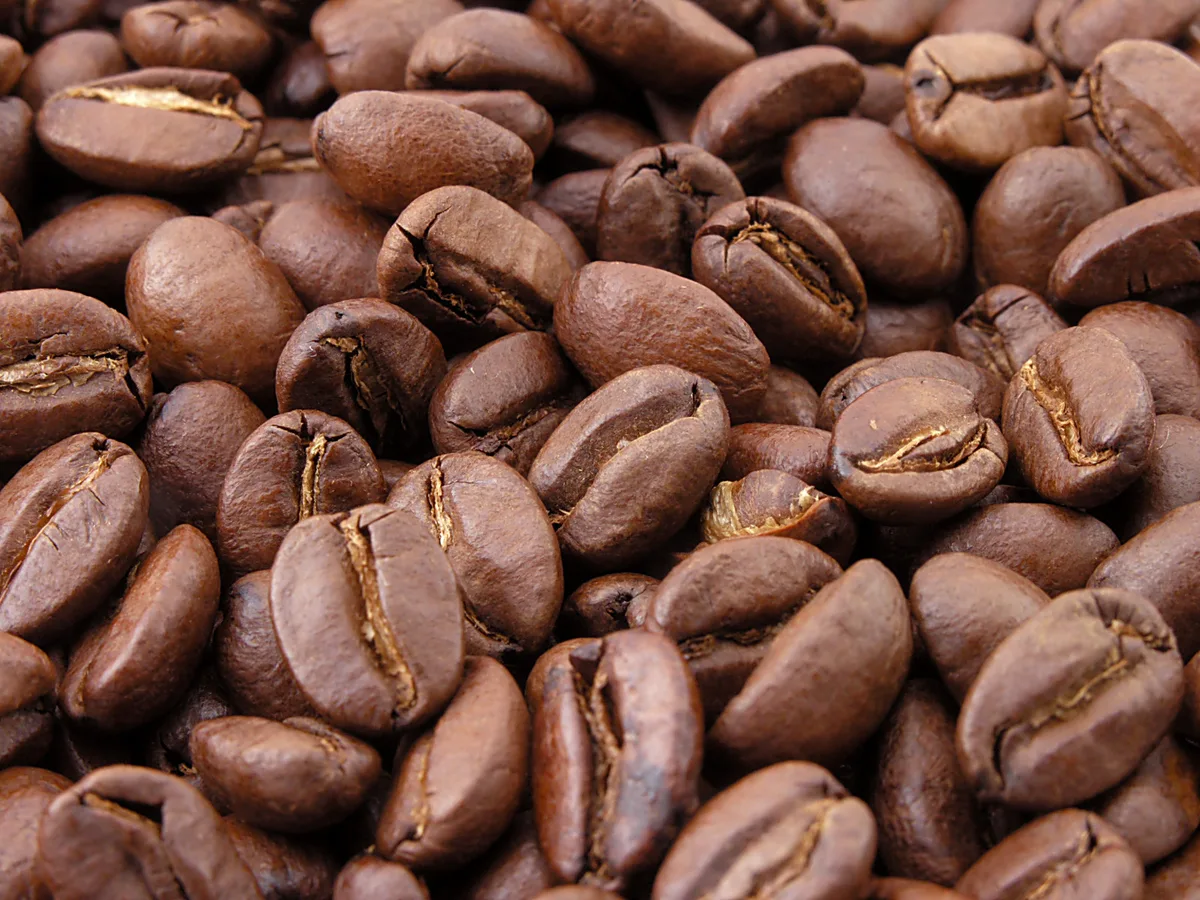
Processing language matters here as much as origin. Wet-hulled coffees from Sumatra taste different from fully washed Central American styles even when both are "specialty." Let the roaster describe the cup in plain words before you choose a bag.
Mall Showrooms vs Street Counters
Mall locations offer air conditioning, predictable hours and card payment. Neighborhood shops may roast closer to the room you sit in, with less polish but more conversation. Neither format guarantees quality; both can hide mediocre beans behind branding.
Use malls when heat and rain make cross-town trips miserable. Use neighborhood roasteries when you want to see equipment, smell roast smoke, and ask about batch size without a queue behind you.
Tasting in Heat and Humidity
Jakarta humidity changes how coffee smells in the bag and how fast it stales after opening. Taste black coffee first, then decide on milk drinks. Sweet iced options are refreshing but poor judges of bean quality.

Mid-morning often beats lunch hour, when office crowds spike. Weekend malls fill early; street counters can be quieter on Sunday mornings if the area is not purely commercial.
Buying Beans Before Domestic Flights
Security and baggage rules vary; keep beans in sealed bags and declare if asked. Whole beans survive better than ground coffee in Jakarta's moisture. Buy 200–250 gram portions unless you brew daily at home.
If you travel onward to Yogyakarta or Bali, consider buying after Jakarta when your itinerary stabilizes, so the bag is not opened repeatedly in hot taxis.
Practical Links for Planning
The Jakarta city guide covers districts and transport. Business travelers often stay near Sudirman or Kuningan; roasteries cluster there and in Kemang for a different social tone. Hotel concierge recommendations skew toward famous chains; this guide assumes you want roaster-controlled coffee instead.
Questions Worth Asking
Roast date, intended brew method, and whether the coffee is wet-hulled or fully washed. Ask if the shop cupping notes match espresso or filter service. Jakarta baristas often tune roasts for milk-heavy drinks; confirm before you buy a bag for pour-over at home.
When to Skip a Roastery Stop
If you only have a layover and no traffic buffer, a roastery across town is a gamble. If you dislike strong body or earthy profiles, sample before committing to a Sumatra-heavy bag. Chains that sell consistent milk coffee are fine for caffeine; they are not the subject here.
Making One Stop Count
Choose a roaster that publishes origins on the menu board, not only on social media. Sit long enough to let one cup cool and change flavor. Buy one bag with a clear brew plan. Jakarta rewards focused decisions more than checklist tourism, and coffee is no exception.
Traffic Buffers and Realistic Scheduling
Add thirty to forty minutes to every cross-town coffee plan during rush hour. A roastery that looks "just across the map" may cost an hour in a car. Stack coffee with a meal in the same mall or same kampung block.
Grab and taxi apps help, but drivers sometimes cancel in rain. Have a backup cafe within walking distance of your hotel.
Cupping Vocabulary Without Pretension
You do not need jargon to get good service. Ask whether the coffee is better black or with milk, and whether the roaster prefers it for tubruk, pour-over or espresso. Those three words map cleanly to how Jakarta actually drinks coffee.
If a shop offers kopi tubruk, try it once for context. It is not the same as specialty filter, but it explains why many Indonesians expect body and sweetness first.
Mall Aircon vs Street Heat
Jakarta roasteries split between chilled malls and hotter street fronts. Beans sold in malls may sit in drier air, but foot traffic spikes on weekends when families shop. Street shops turn bags faster on weekday mornings when office workers grab takeaway. Traffic jams turn a cross-city tasting plan into a two-hour ordeal; anchor your favorite roaster near where you sleep or cowork. Sudden downpours flood lower roads; carry a dry inner pouch for retail even when you only walk two blocks from the MRT exit.
Notes for Your Next Cup
Write down roast date, origin and brew method when a Jakarta cup works. Indonesian profiles vary more than menus suggest, and memory fades once you are back in traffic. A phone note beats guessing which bag to reorder online six months later.