Kota Kinabalu sits between sea breeze and highland coffee ambition. Sabah has farms and experimental plots that supply local roasters, while the city also imports beans from peninsular Malaysia and beyond. A roastery visit here often mixes Borneo identity with practical cafe culture aimed at climbers, divers and families heading to the islands.
Coastal humidity affects coffee faster than many visitors expect. That makes roast dates and storage advice more important than fancy interior design.
Sabah Origins vs Imported Lots
Ask whether a coffee is grown in Sabah or roasted locally from imported green beans. Both can taste excellent; the difference is story and freshness path. Highland areas around Kundasang and Ranau appear in conversations about local production, though volume is still small compared with tourist demand.
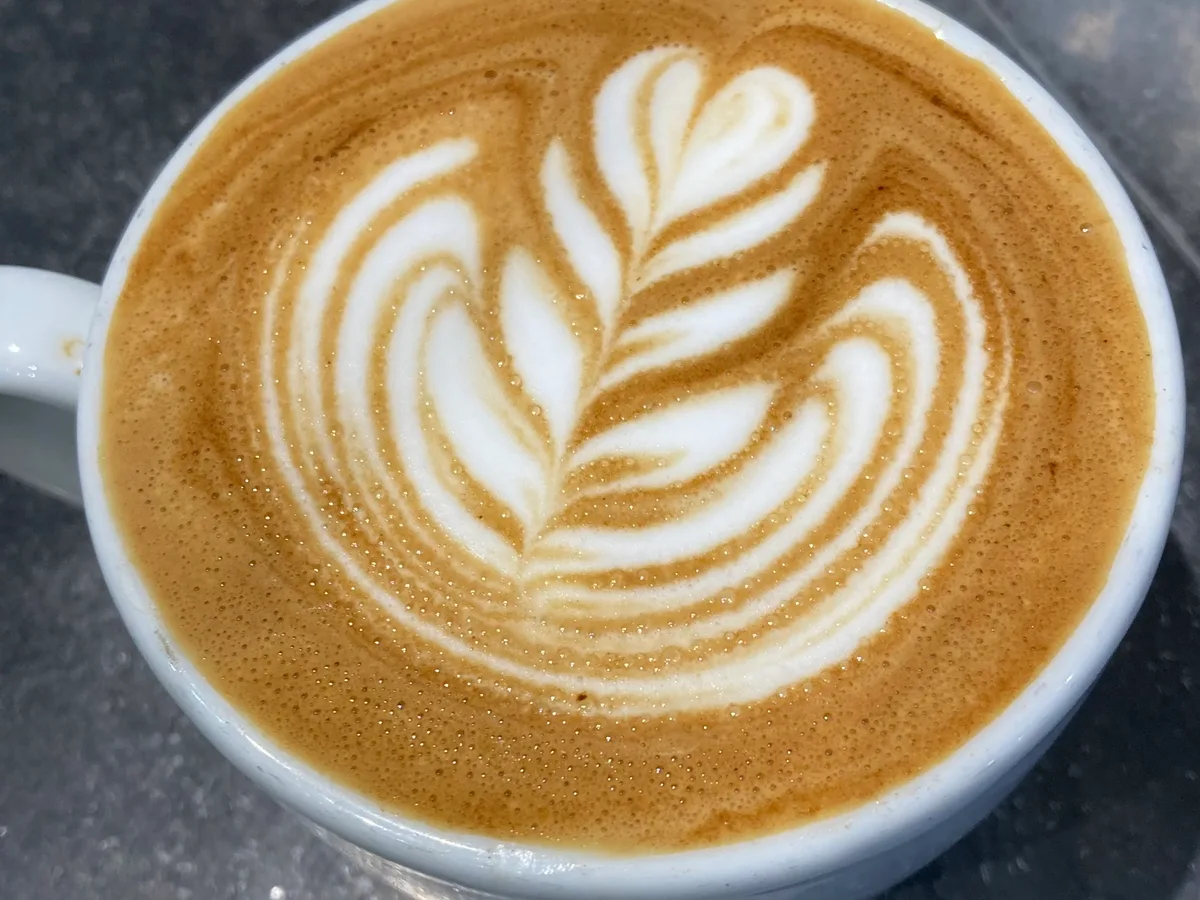
Malaysian roasters often highlight balanced profiles suitable for milk drinks in air-conditioned malls and open-air kopitiams alike. Filter drinkers should ask for lighter roasts explicitly.
City Layout and One-Stop Planning
KK spreads along the waterfront and inland commercial strips. Taxis and Grab reduce walking pain but add time. Pick a roastery near your hotel or the Jesselton Point ferry area if island days dominate your schedule.
Morning works well before UV peaks and before lunch queues at seafood restaurants. Evening roastery visits compete with sunset markets.
Tasting Before Kinabalu Park or Islands

Climbers and hikers may prefer lower-acid, chocolate-forward cups that sit well on a travel stomach. Divers might want iced filter after early boats. Match coffee intensity to tomorrow's alarm, not only to tasting curiosity.
Share flights if offered; portions in Malaysia can be generous and caffeine adds up in heat.
Buying Beans With Borneo Travel in Mind
Double-bag beans if you continue to Sandakan, Semporna or long boat days. Salt air around jetties finds its way into backpacks. Whole beans plus a small hand grinder beat pre-ground coffee for multi-week trips.
Airport shops rarely match dedicated roasters for freshness. Buy before your departure day when possible.
Useful Local Links
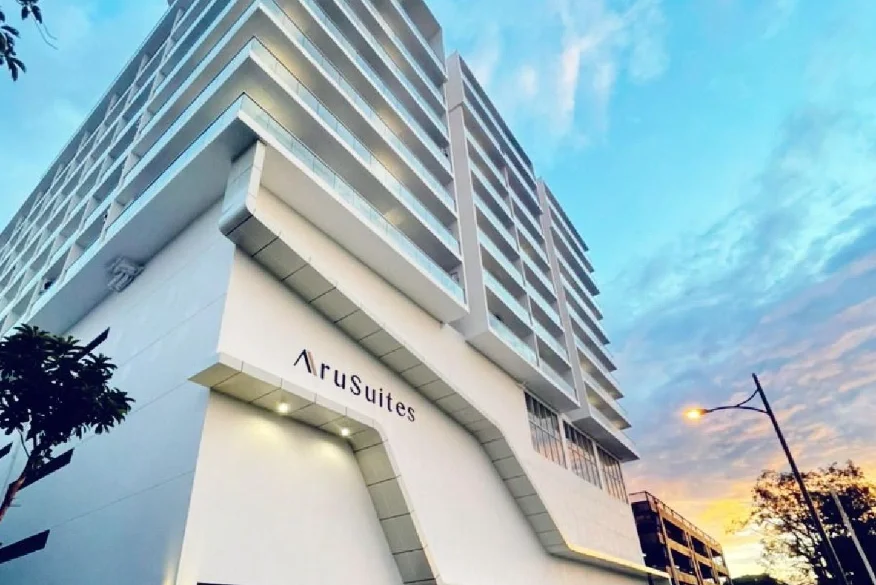
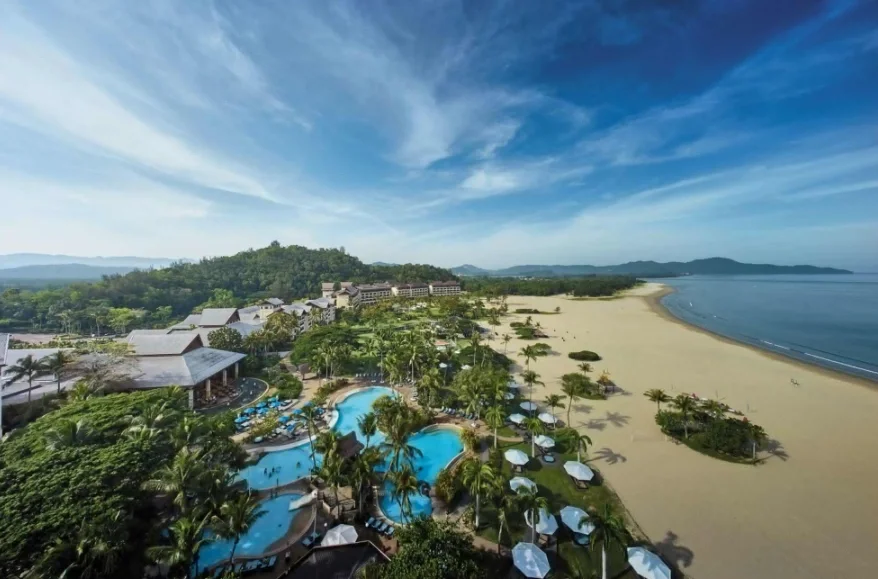
Beachfront hotels explain where mornings start near the water. Airport hotels help early flights paired with late-night arrivals. The Kota Kinabalu hub ties food, islands and family travel together.
Mall Cafes and Independent Roasters
Malls give predictable wifi and payment; independents give conversation and sometimes on-site roasting smells. Use malls when thunderstorms hit; use independents when you want origin detail and quieter seating.
Signs of Care
Visible grinder adjustment, labeled batch dates, and staff who recommend brew methods for home equipment. Weak signs include only instant sachets at the counter and no black coffee option on the menu.
When Coffee Can Wait
If you just landed overnight and head to Kinabalu at dawn, sleep beats roasting education. If your trip is purely island hopping with hotel breakfast included, one tasting day may be enough.
A Simple KK Coffee Goal
Understand one Sabah-linked or Malaysian-roasted bean, buy a small sealed bag, and drink it before humidity wins. KK is a gateway city; coffee fits the pause before mountains and reefs, not a week-long crawl.
Seafood Lunches and Coffee Order
KK seafood lunches are heavy. Afternoon espresso after crab can feel harsh. Morning tastings or late afternoon filter sessions usually feel better. Match coffee intensity to tomorrow's boat schedule, not today's appetite.
Night markets near the waterfront sell drinks sweetened heavily; roasteries are where you learn whether you actually like Malaysian roast profiles unsweetened.
Climbing and Altitude Notes
If you head toward Kinabalu Park, remember that caffeine affects people differently at altitude. Some climbers reduce coffee the day before ascent. Buy beans in KK city after your return when you can carry them without worrying about wet trail gear contaminating bags.
Coastal Air and Counter Storage
KK roasteries battle salt air whenever doors stay open to the street. Beans near the front window can pick up stale notes faster than bags kept deeper in the shop. Ask staff where retail stock sits and whether they rotate bags weekly. If you buy before a Kinabalu trip, double-bag and keep coffee away from damp hiking packs. Mall kiosks feel drier but may stock older bags; neighborhood shops with steady local traffic often turn inventory quicker. Compare roast dates, not only origin labels, when humidity makes every day count.
Pin the shop with a cross street in your map app; drivers often know seafood blocks better than English roastery names. A second visit mid-stay lets you match a filter cup with the same bag you might buy for home.
Island Day Trips and Caffeine
Mantanani and TARP island boats leave early. If you need a steady hand on the deck, keep espresso light the night before and rely on a milder milk drink after you return. Jesselton Point area cafes see ferry rush hours; mid-morning on non-holiday weekdays stays calmest for counter talk. Seafood dinners pair with darker roasts locally; save bright filter tastings for mornings before you head toward Kinabalu Park when altitude and sleep matter more than flavor notes.
Sunday Markets and Parking
Gaya Street Sunday market clogs central streets. Roasteries a few blocks away stay calmer if you walk before the market peaks at ten.
Notes for Your Next Cup
KK mixes mainland Malaysian and Sabah stories on one menu. Record which profile you preferred before island hops erase the detail. Reorder intentionally rather than by packaging color alone.