3 Day Olympic National Park Itinerary
My husband and I spent 3 days exploring Olympic National Park when we lived in Portland, Oregon. We loved the natural diversity Olympic offered, and it served as a beautiful introduction to the Pacific Northwest. Follow below for our 3 day Olympic National Park Itinerary as well as some important things you need to know before planning your own visit.
Quick Facts
- Open year-round 24/7 (some campgrounds and facilities close seasonally)
- Cost: $30 per vehicle
- This area is known for frequent rainfall- don’t forget your raincoat!
- Temperatures in the park tend to be cool to moderate year-round
- The park is large, and no road cuts through the middle. Expect a bit of drive time in order to visit multiple areas in the park.
- Cell reception is spotty- I recommend downloading your map with google maps ahead of time.
Regions and Ecosystems of Olympic National Park
Olympic is a huge national park spanning nearly a million acres. Before you plan your trip, you need to know which areas of the park you want to visit. You’ll find a little about each area below.
The park has 3 distinct regions:
- North: Mountains
- Incredible mountain views, hot springs, and a peaceful lake
- Notable stops: Hurricane Ridge, Lake Crescent, Sol Duc
- Closest town: Port Angeles, Washington
- West: Beaches and Rainforests (Some sources count this region as 2 different regions. I grouped them together here because of their proximity to each other)
- Temperate rainforests – Similar to a tropical rainforest with lush vegetation and high levels of precipitation, but with cooler-moderate temperatures
- Notable stops: Hoh and Quinault rainforests
- Beaches – Rugged coastline, epic scenery and intriguing tide pools
- Notable stops: Ruby, Rialto, Kalaloch beaches
- Closest town: Forks, Washington
- Temperate rainforests – Similar to a tropical rainforest with lush vegetation and high levels of precipitation, but with cooler-moderate temperatures
- Southeast: Old Growth Forests
- This is the least visited area of the park. You’ll find ample hiking opportunities and more quiet solitude than anywhere else in the park.
- Notable stop: Staircase
- Closest town: Hoodsport, Washington
The 3 day itinerary below does not include the Southeast region. Personally, I find the North and West regions to be more impactful. However, if you have more time and want to escape the crowds, the Southeast region is a solid option.


3 Day Itinerary in Olympic National Park
Day 1- Rainforests
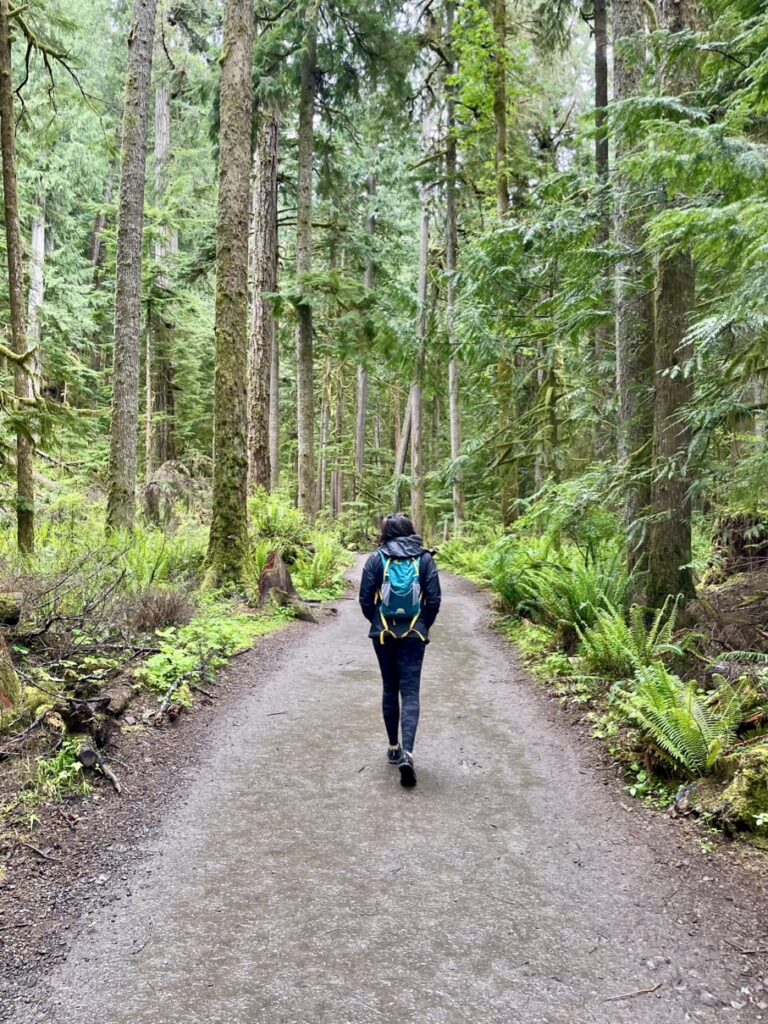
The temperate rainforests are one of the most unique parts of Olympic National Park. We are starting our journey here as I consider it to be something you really don’t want to miss. Bring your rain jacket for this one! It is a rainforest after all.
If you are arriving late on day 1, then I recommend starting the the Hoh Rainforest Visitor Center. Near the visitor center, you’ll find the Trail of Mosses. It’s an easy 0.8 mile loop. The lush greenery is stunning and incredibly unique. Take your time here to enjoy the abundant vegetation and wildlife. You may want to also hike the Spruce Nature Trail (1.2 miles) if time allows.
After the Hoh Rainforest, choose between visiting another rainforest (the Quinault), or visiting hot springs and a waterfall hike at Sol Duc.
If you want more rainforest, but fewer crowds, check out trails in the Quinault Rainforest. The Quinault Rainforest is around 1.5 hours drive south of the Hoh Rainforest.

If you want to change it up, visit Sol Duc for a waterfall hike and hot springs. The Sol Duc area is considered part of the northern region of the park, but it’s still a reasonable distance from the Hoh rainforest. It is around a 1hr 40 min drive from the Hoh Rainforest. The Sol Duc Falls hike is an easy 1.8 miles.
If you want to visit the hot springs, you will need to purchase a day pass from the Sol Duc Hot Springs Resort. The pools are included if you book your stay at the Sol Duc Resort. Note that the resort is not open year-round. You can find more information on seasonal closure on their website from the two links above.
Day 2- Beaches
Day 2 of our itinerary will explore Olympic’s beautiful beaches. The beaches here vary from sandy to rocky to large cliffs overlooking the Pacific Ocean. There is a lot packed into this day, so I suggest getting started early.
*This part of the coast is known for powerful waves and “sneaker” waves. While beautiful, it is important to keep an eye on the water and stay further from the water than you think you need.*
Kalaloch
I recommend starting day 2 with the most southwestern beach, Kalaloch beach. Kalaloch is a wide, sandy beach. The biggest attractions here are the tide pools and the Tree of Life. The Tree of life is a living tree suspended above a cave. It looks pretty wild! Tide pools can only be viewed at low tide. Check the tide time tables here. Tide pools host a variety of interesting wildlife such as sea stars and anemone.
You’ll find the Tree of Life near the Kalaloch campground. Once you park at the campground, head down the stairs to the beach and take a right. If you’re wanting to get a good photo of the tree, plan to be here when the tide is low. This will allow you enough beach space to be able to see the tree head on.
You’ll find the Kalaloch tide pools at Kalaloch’s Beach 4 (near the Kalaloch Lodge). Don’t worry if you’re timing doesn’t work out to see the tide pools here. You’ll get another tide pool opportunity later today at Ruby and Rialto beach.

After visiting the Tree of Life at Kalaloch Beach, drive north to Rialto Beach. You’ll pass Ruby beach on the way in case you want to add in an additional stop. This is your second opportunity to see tide pools. Ruby Beach also has some beautiful sea stacks making the views here quite dramatic.
Rialto
Rialto Beach is roughly an hour north from Kalaloch. Here you will find the famous Hole-in-the-Wall which is a striking, narrow arch on the beach. The hike to Hole-in-the-Wall 1.5 miles each way/ 3 miles total. This is a hike in the sand, so it may feel more strenuous than you anticipate. You need to be mindful of the tides while at Hole-in-the-Wall. It is not safe to cross under Hole-in-the-Wall once water starts to cover the floor of the arch. Be careful of falling rocks here as well. This is your third opportunity to see tide pools. For the best tide pool viewing, plan to arrive 30 min before the lowest tide.
Bonus Stop- Cape Flattery
If you have the time, I highly recommend adding a visit to Cape Flattery- the most northwest point in the contiguous US. This stop is technically not part of Olympic National Park, and it does require roughly 1 hour 40 min to drive here from Rialto beach. It’s managed by the Makah tribe. They charge $20 cash per vehicle to enter the Neah Bay area. Despite the drive time and the extra costs, I thought this stop was absolutely worth it for it’s beauty. The hike to the viewpoint is easy and 0.75 miles each way.

Day 3 -Hurricane Ridge
The last day of our itinerary takes us to Hurricane Ridge on the north side of the park for some hiking. Below are some of the best hikes in the area:
- Mount Storm King– My husband and I chose this 4-5 mile (roundtrip) strenuous hike for our Olympic adventure. The hike itself is fairly steep and includes some rope assistance (gloves are really helpful here!). Unfortunately, we did this hike on a foggy day which meant no visibility at the top. Learn from our mistake- plan this hike for a clear day!
- A quick note about the Mount Storm King Hike- you’ll come across a sign that says “end of maintained trail”. You will actually continue past this sign in order to get to the main viewpoint. The section of this trail that can be scary for those afraid of heights is also beyond this sign.
- Marymere Falls– This hike starts at the same trailhead as Mount Storm King. This is an easy 1.8 mile (roundtrip) hike to a 90 foot waterfall.
- Hurricane Hill Trail– This moderate, paved 3 mile (roundtrip) hike provide panoramic views of the Olympic Range, Puget Sound and Vancouver Island. Like the Mount Storm King hike, you’ll need a clear day to enjoy the views. This hike tends to be crowded.

In addition to the various hiking options in this area, you’ll also find Crescent Lake. Crescent lake is a beautiful blue-green glacial lake. During the summer, you can enjoy boating on the lake.
Where to Stay
Because Olympic National Park is so large and spread out, you’ll likely want to change lodging or camping locations during your trip. This will help save you quite a bit of drive time.
Options within the park that allow reservations tend to fill up quickly, but there are several first come, first serve campgrounds. To make camping or lodging reservations within Olympic National Park, go to recreation.gov.
There are also options outside of the park including dispersed camping. You can dispersed camp in the state of Washington in national forests and on BLM land, but cannot dispersed camp within the borders of the national park.

I hope you enjoy your adventure in Olympic National Park! If you are interested in visiting more Pacific Northwest national parks, check out this article about Skyline Loop in Rainier National Park or this article on Crater Lake National Park.
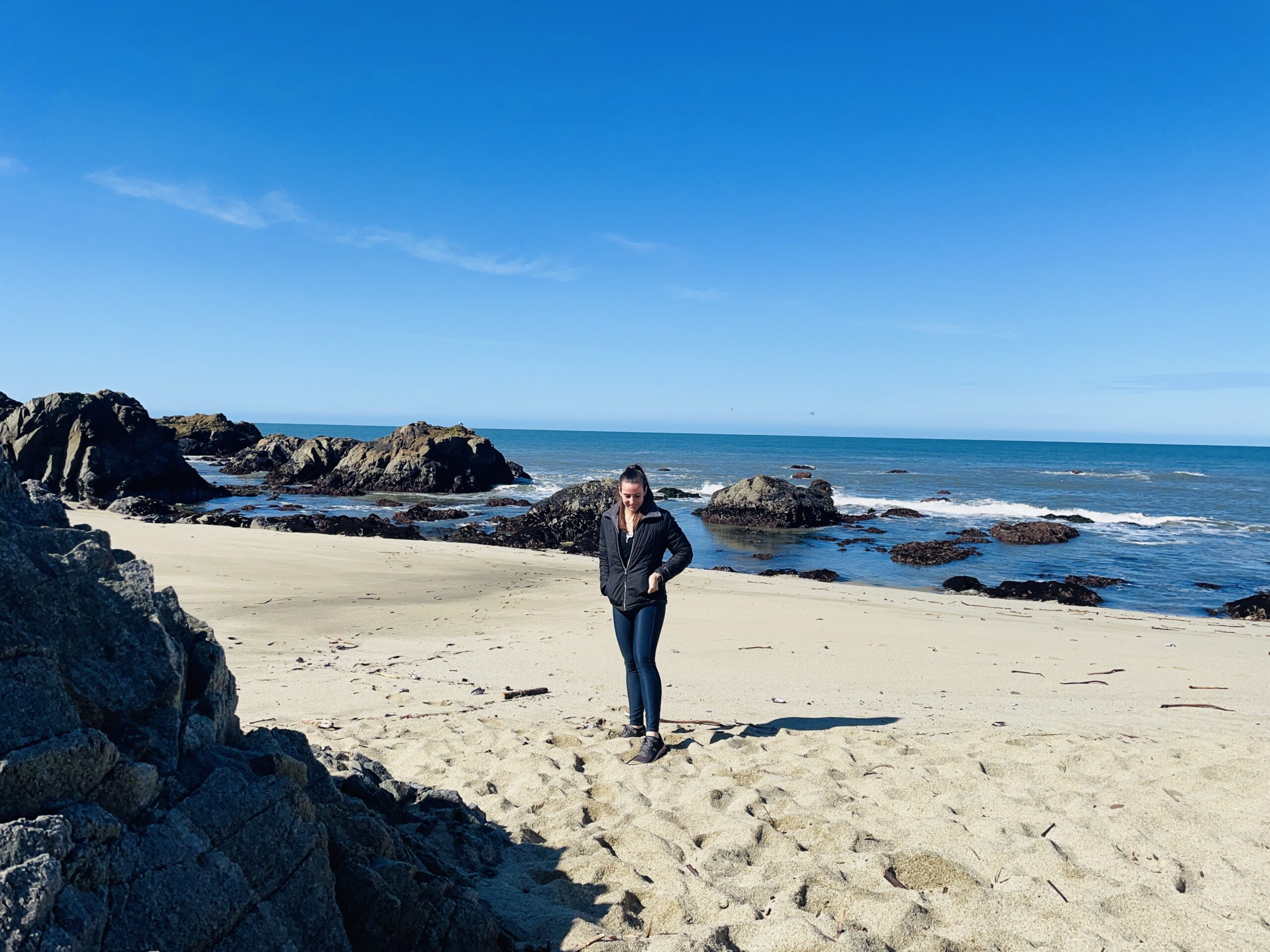
Julie (Juls for short) is the founder of travelingwithjuls.com. She is a registered nurse turned travel nurse. She loves adventure and learning about new places. Her goals are to help other nurses learn about travel nursing, and to share information about the locations/destinations she lives in for 3+ months at a time.