Visiting Rocky Mountain National Park in Winter
I’ve visited Rocky Mountain National Park several times (thanks to an extended travel nursing contract). Several of my visits to the park were in the winter.
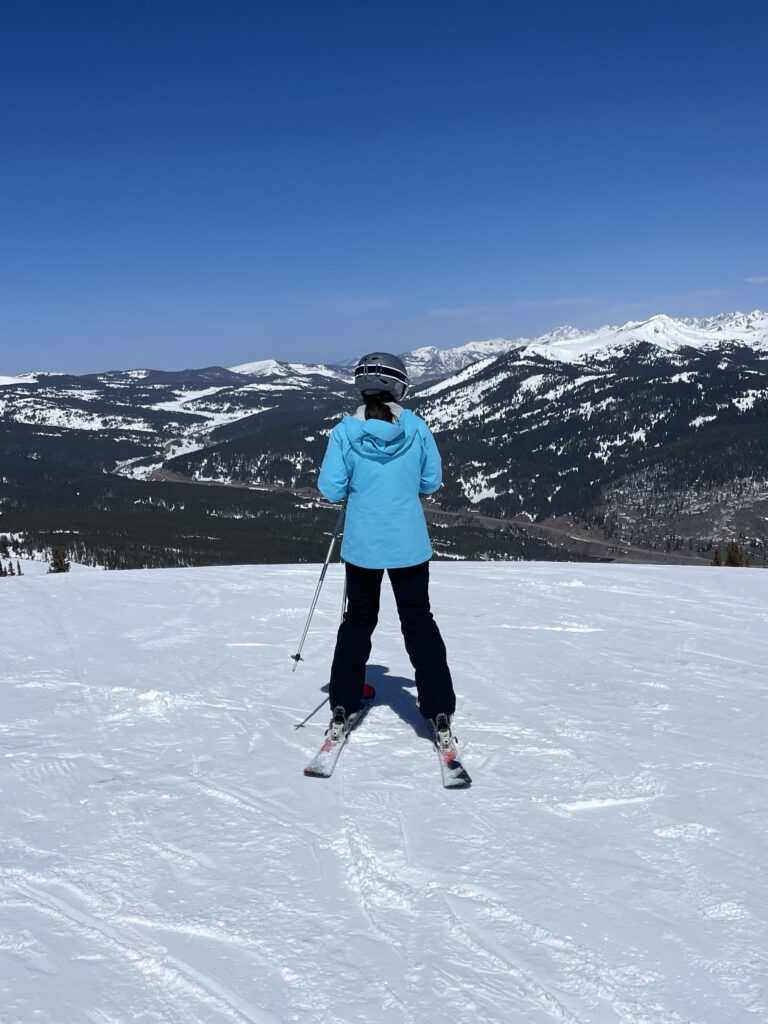
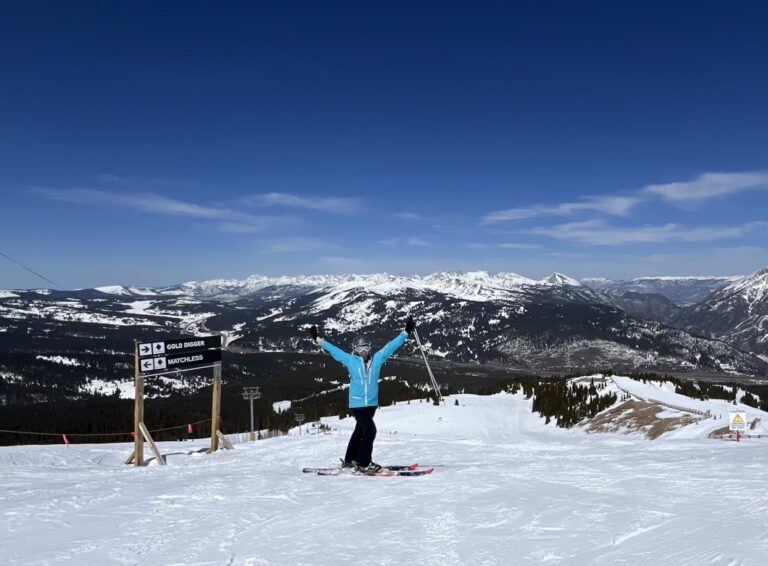
I may be biased, but I think winter is the most beautiful season in Rocky Mountain National Park (just check out the photos below!). Winter is also less crowded and does not require timed entry reservations – both are big wins in my book!


Winter Park Closures
While Rocky Mountain National Park is beautiful and worth a visit during the winter, there are some closures you should be aware of.
The most impactful winter closure is Trail Ridge Road. This is the scenic road connecting the parks eastern attractions to Grand Lake on the west side of the park. Trail Ridge Road is a popular choice for visitors during the summer months due to its elevation and spectacular views. Unfortunately, it is not safe to drive during the winter months. Opening of Trail Ridge Road varies per year as it depends on snowfall, but it usually opens up around the beginning of June.
Note that if you want to visit both the east and west sides of the park, you will likely need a different day for each when trail ridge road is closed. The drive to the opposite side of the park typically takes around 3.5 hours during the winter.
Other winter closures include Old Fall River road and various other roads on an as needed basis when safety is a concern.
Things to Do in Rocky Mountain National Park in the Winter
Despite the closure of Trail Ridge Road and other potential closures, there is still plenty to do in Rocky Mountain National Park during the winter.
- Hiking- You’ll need snowshoes or traction devices and good navigation skills! Check out the park’s website for Ranger-led snowshoe walks.
- Cross-country skiing- You can cross-country ski anywhere in the park, but the west side of the park is known to have the best terrain.
- Sledding- There is a snow play area called Hidden Valley in RMNP. This is the only place within the park that allows sledding.
- Wildlife Viewing- Less crowds bring more opportunities to spot wildlife. Elk, mule deer, big horn sheep, moose and more are common throughout the park. Keep in mind that wild animals can be dangerous, so keep your distance. This is especially true for moose which are known to be both dangerous and aggressive.
Winter Safety and Preparation
There are a few more things you should know before visiting Rocky Mountain National Park in the winter.
- Park roads can be icy or snow-packed during winter. When conditions warrant, they may implement Colorado traction laws. If the traction law is in place, you must have either:
- an all-wheel or four-wheel drive vehicle
- or tires with a mud/snow designation
- Dress to prevent hypothermia and frostbite. See my post on winter weather tips to learn about layering correctly and for tips on driving in snow.
- Check weather and avalanche conditions before you go out.
- Get the latest updates on conditions in Rocky Mountain National park here.
- Check the Colorado Avalanche Information Center (CIAC) for daily reports of avalanche risk and for more information on avalanche safety.
- Navigating hiking trail in the winter is more challenging as landmarks and signs are often covered by snow. Avoid following other people’s tracks as they can lead you in the wrong direction. I recommend chatting with a park ranger for tips on your specific trail before you head out and downloading AllTrails.
I hope you get the opportunity to visit Rocky Mountain National Park during the winter because it truly is spectacular!

Julie (Juls for short) is the founder of travelingwithjuls.com. She is a registered nurse turned travel nurse. She loves adventure and learning about new places. Her goals are to help other nurses learn about travel nursing, and to share information about the locations/destinations she lives in for 3+ months at a time.